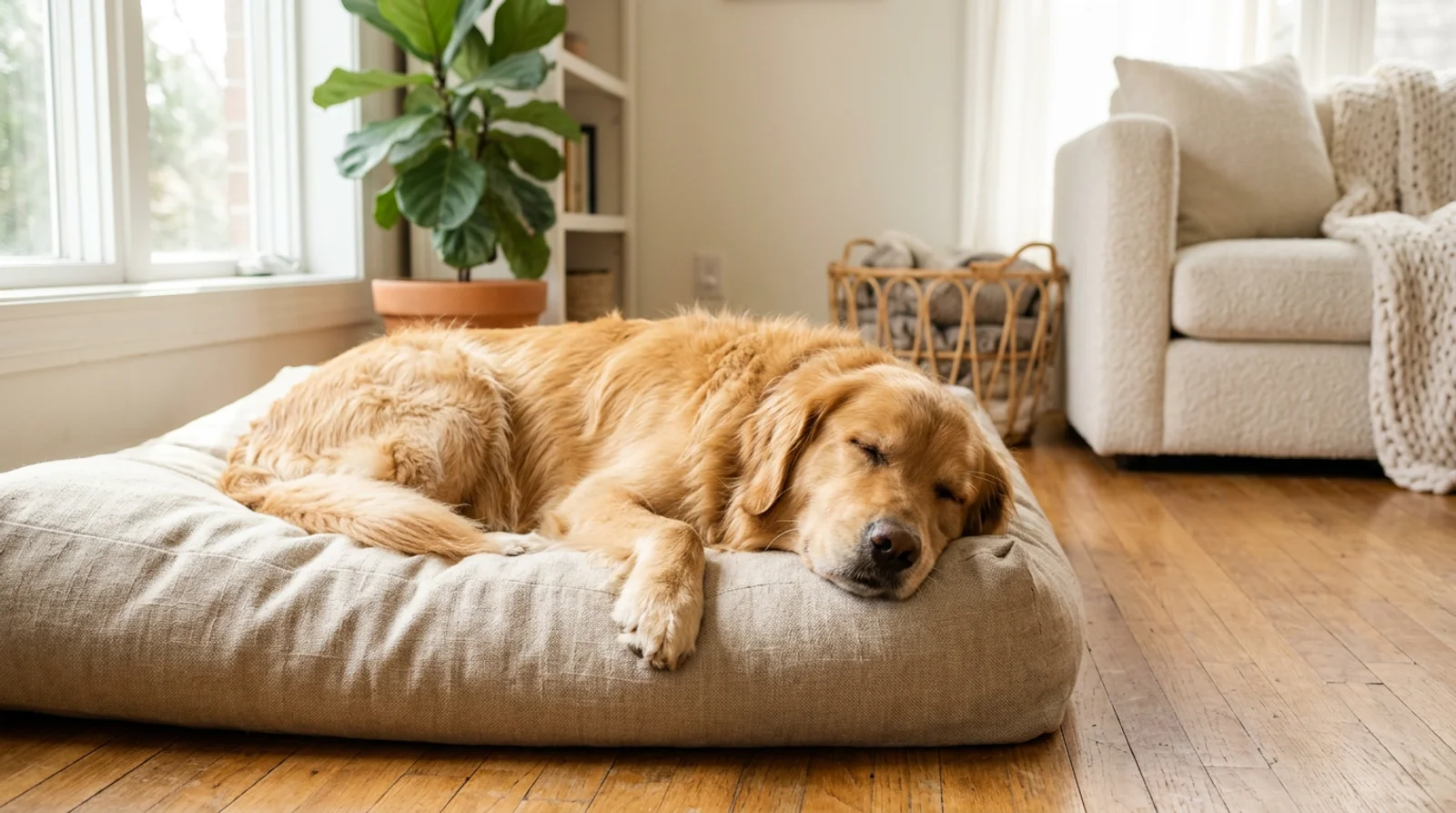
How to Clean a Pet Bed: Remove Hair, Odours, and Allergens
How to Clean a Pet Bed: Remove Hair, Odours, and Allergens
Your pet's bed needs washing weekly, or at minimum every two weeks. Wash more frequently if your dog swims, drools, or has allergies. The process: strip off loose fur first, wash covers in hot water with vinegar, spot-clean foam inserts, and dry completely to prevent mildew. That's the short answer. The longer one involves our border collie's bed, which smelled fine to us until a friend walked into the mudroom and politely asked if something had died.
Living with dogs and cats means you stop noticing the funk. But your pet bed is a magnet for dander, drool, outdoor dirt, and the oil from your dog's coat—not to mention whatever your cat dragged in at 3 a.m. Learning how to clean a pet bed properly isn't just about freshness; it's about keeping allergens and bacteria from building up in the one spot your animal spends eight to fourteen hours a day.
How Often Should You Wash a Pet Bed?
We wash our dogs' beds every two weeks, without fail. Cats who spend most of their time indoors and don't drool? Every one to two weeks is recommended. But frequency depends on a few factors.
If your dog has allergies, skin conditions, or rolls in something pungent every walk, weekly washing makes sense. A 30-kg Labrador who swims in the lake and sheds year-round will dirty a bed faster than a 5-kg Maltese who lives on the sofa. Same goes for multi-pet households—more bodies mean more oils, dander, and Mystery Smells.
Dogs who drool heavily (we're looking at you, mastiffs and bulldogs) or aren't fully house-trained need their beds washed more often. And if anyone in your home has pet allergies, washing weekly can significantly reduce airborne allergens.
Between deep cleans, we vacuum or lint-roll beds every few days and spot-clean accidents immediately. Think of it like your own sheets: you wouldn't go two months without washing them, and your dog's bed deserves the same attention.
Remove Pet Hair Before You Wash
Throwing a fur-covered bed straight into the washing machine is a mistake we made exactly once. The wet hair clumps into a felted mat that clogs your drain pump and redeposits onto the fabric. You need to remove as much loose fur as possible first.
For light shedding: a handheld vacuum with an upholstery attachment works well. Go over the bed in overlapping passes, especially along seams where hair hides.
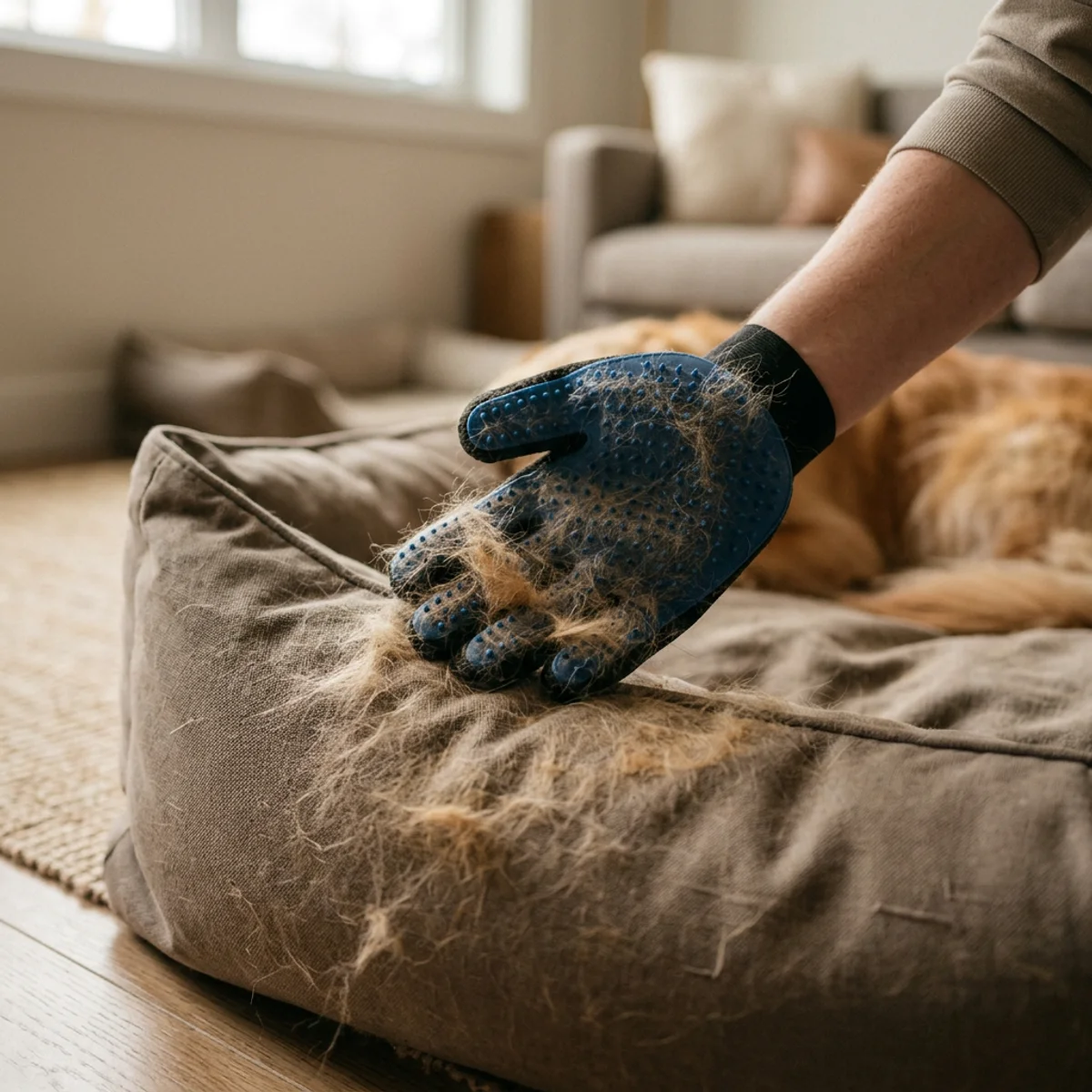
For heavy shedding: we use a rubber grooming glove or a damp rubber dishwashing glove. Rub it across the fabric in one direction; the static clings fur into rolls you can peel off by hand. It's oddly satisfying. A dedicated pet hair removal tool with a rubber blade also works beautifully and doesn't require batteries.
For embedded fur: wrap packing tape or a lint roller around your hand, sticky side out, and press it into the fabric. This grabs the stubborn undercoat fluff that vacuums miss.
Once you've de-furred, take the bed outside and give it a vigorous shake. You'll be amazed how much more comes off.
How to Wash a Dog Bed (By Type and Material)
Not all pet beds are created equal, and the cleaning method depends entirely on construction and fill.
Beds with Removable, Machine-Washable Covers
This is the gold standard and the type we stock most often. Unzip the cover, remove it, and shake out any remaining fur. Check the care label—most can handle a warm or hot wash, but some performance fabrics prefer cold.
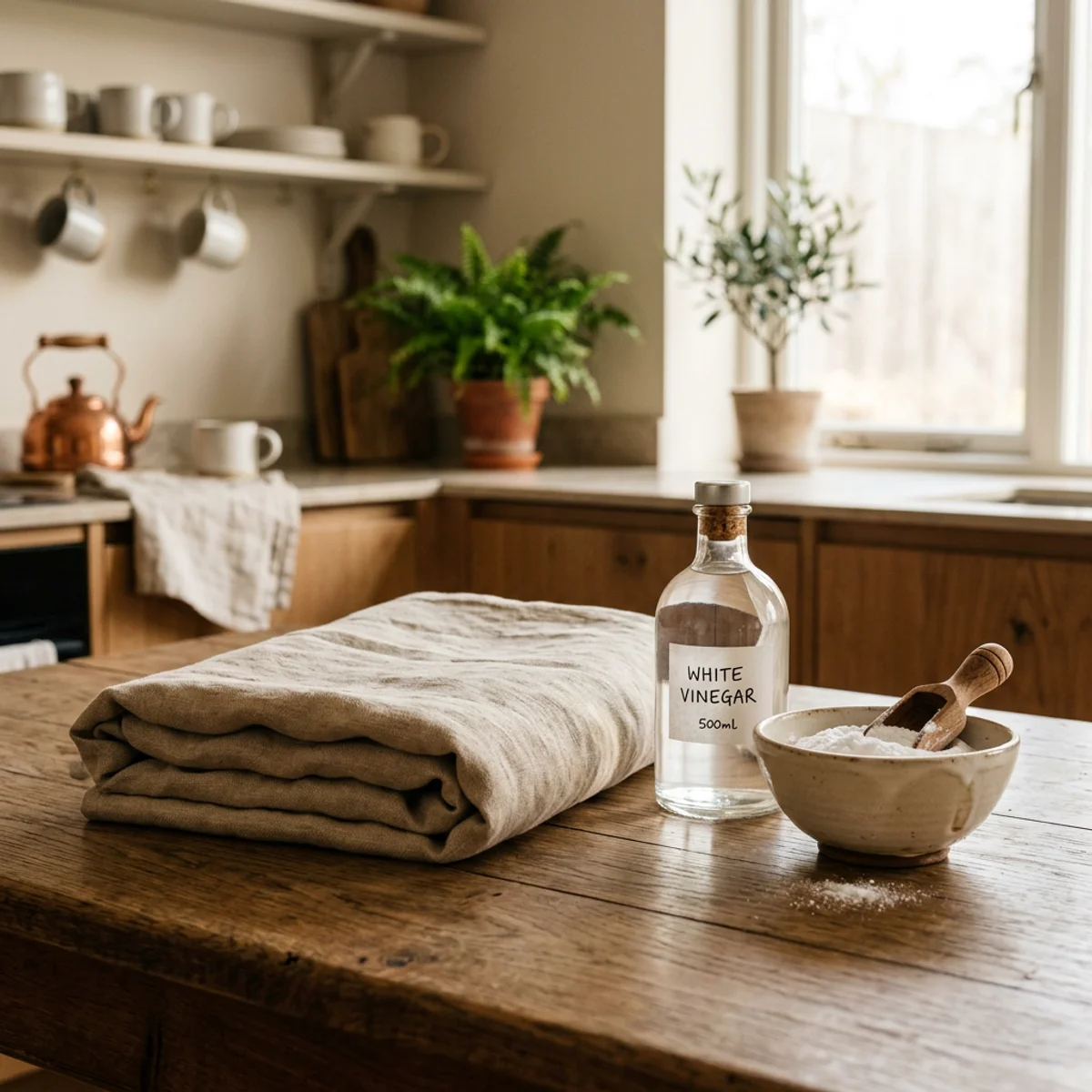
Wash in hot water of at least 60°C (140°F), or use the hottest setting your machine and fabric allow, to kill dust mites and bacteria. Use a free-and-clear detergent and an extra rinse cycle to remove soap residue, which can irritate sensitive skin. Add half a cup of white vinegar to the rinse cycle for natural deodorizing—it neutralizes urine odours far better than masking them with fragrance. Skip fabric softener; it leaves a coating that repels moisture and makes the fabric less breathable.
Dry on medium heat if the label allows, or line-dry in the sun. Sunlight is a natural disinfectant and bleaches out stains gently.
While the cover is off, vacuum the inner cushion or foam insert. If it smells, spot-clean it or let it air outside for a few hours. Most foam inserts aren't machine-washable, but you can wipe them down with a damp cloth and a tiny amount of pet-safe enzymatic cleaner.
Beds Without Removable Covers (Solid-Fill or Memory Foam)
These are trickier. Small beds (under 10 kg) without memory foam can sometimes go into a large-capacity front-load washer on a gentle cycle. Top-loaders with agitators will tear seams and bunch the fill.
For beds that won't fit or can't be submerged, spot-cleaning is your best bet. Mix a solution of warm water and a few drops of mild dish soap or enzymatic pet cleaner. Dip a cloth into the solution, wring it nearly dry, and scrub soiled areas. Blot with a clean, damp cloth to rinse, then blot again with a dry towel.
Memory foam should never be soaked—it takes days to dry and can grow mildew. Instead, sprinkle the surface with baking soda, let it sit for 15 minutes, then vacuum it up. For stubborn odours, lightly mist with a 1:1 solution of water and white vinegar, then air-dry completely, preferably outdoors.
Orthopedic and Bolster Beds
Most orthopedic beds have a removable cover over a dense foam core. Wash the cover as above. The foam itself should only be spot-cleaned and aired out—submerging it destroys the supportive structure.
Bolster beds with stuffed sides can usually be machine-washed if they fit, but the bolsters tend to dry slowly. We pull them out of the dryer halfway through and fluff them by hand to redistribute the fill and speed things up.
Elevated and Mesh Beds
These are blessedly easy. Most mesh slings can be removed and thrown in the wash on cold. The frame just needs a wipe-down with soapy water. These beds are our top pick for heavy shedders and dogs who overheat, because hair doesn't embed in mesh the way it does in plush fabric.
Pet Bed Odor Removal: What Actually Works
Vinegar and baking soda sound like folk remedies, but they're genuinely effective—and they won't leave chemical residue your pet will lick off their paws.
For general mustiness: add half a cup of white vinegar to the rinse cycle. It breaks down odour molecules rather than covering them up.
For urine or vomit: enzymatic cleaners are non-negotiable. Products designed for pet messes contain bacteria that digest the proteins in urine and feces. Soap alone won't touch them. Saturate the soiled area, let it sit for 10–15 minutes, then blot and launder as usual. We keep a bottle of enzymatic spray under every sink.
For lingering smells in foam or non-washable inserts: baking soda is your friend. Sprinkle it liberally, let it sit for at least 30 minutes (or overnight for serious funk), then vacuum thoroughly. Do not use essential oils on pet beds, as many oils (including lavender) can be toxic to both cats and dogs. Consult your veterinarian before using any scented products near your pet.
Sun and fresh air are underrated. After washing, line-dry the bed outside on a sunny day. UV light kills bacteria and neutralizes odours naturally. Even non-washable beds benefit from a few hours in the sun.
If a bed still smells after multiple washes, it's time to replace it. Foam and fabric break down over time, and once odours penetrate deep into degraded materials, they're nearly impossible to remove.
Dealing with Allergens and Bacteria
Pet beds are reservoirs for dust mites, dander, pollen, mold spores, and bacteria—especially in humid climates or homes without great airflow.
Hot water (60°C or hotter) kills dust mites and most bacteria. If your washer has a sanitize cycle, use it monthly. The extra heat matters more than people realize.
Vacuuming between washes removes surface dander and dust before it works its way into the fabric. If anyone in your home has allergies, this weekly step makes a measurable difference. We also recommend using a vacuum with a HEPA filter to trap the fine particles instead of blowing them back into the air.
Enzymatic cleaners don't just tackle odours—they break down organic matter that bacteria feed on. A quick spritz every week or two, even without a full wash, can keep microbial buildup in check.
Choose beds with tightly woven, water-resistant covers when possible. They're harder for allergens and moisture to penetrate, and they're far easier to clean. We've seen a noticeable improvement in our own seasonal allergies since switching to performance-fabric beds.
Finally, keep beds off cold basement floors or damp areas. Moisture encourages mold growth. A raised bed or even a folded towel underneath improves airflow and keeps the bed dry.
If your pet has allergies, skin conditions, or persistent symptoms, consult your veterinarian for appropriate treatment and environmental management recommendations.
How to Dry a Pet Bed Properly
A half-dry bed is worse than a dirty one. Damp fabric and foam are breeding grounds for mildew, and your dog will refuse to use a bed that smells musty.
Machine drying on medium heat works for most removable covers. Check them halfway through and pull out any lumps or twisted fabric—bunched-up material takes forever to dry. For thick bolster beds or quilted covers, add a couple of clean tennis balls or wool dryer balls to keep the fill from clumping.
Foam inserts and solid beds should always be air-dried, ideally outdoors in the sun. Prop them up on a deck railing or patio chair so air circulates underneath. Flip them every few hours. Depending on thickness and humidity, full drying can take 24 to 48 hours. Don't rush it. Press your hand deep into the center of the foam—if it feels even slightly cool or damp, it's not done.
In winter or rainy weather, dry beds indoors near a heat vent or dehumidifier. A box fan pointed at the bed speeds things up.
Never put your dog or cat back on a damp bed. They'll track that moisture through your house, and it'll start smelling sour within hours.
When to Replace a Pet Bed
Even with diligent care, beds don't last forever. Foam compresses, fabric thins, and seams split. We replace beds every 12 to 18 months for our active dogs, longer for our cats.
Replace immediately if you see mold or mildew that won't wash out, if the foam has permanent indentations that no longer provide support, or if your pet suddenly refuses to use a bed they once loved—they often notice smells or discomfort before we do.
Ripped seams and exposed filling are a choking hazard, especially for dogs who chew. And if a bed has been soiled repeatedly by a pet with incontinence or illness, even enzymatic cleaners have their limits.
FAQ
Can I wash a pet bed in the washing machine?
Yes, if it has a removable, machine-washable cover or is small enough to fit without overstuffing the drum. Large solid beds or those with memory foam often can't be fully submerged. Always check the care label first. Front-load or top-load washers without a center agitator work best—agitators can tear seams and tangle fabric.
How do I get dog smell out of a pet bed that can't be washed?
Vacuum thoroughly, then sprinkle baking soda over the entire surface and let it sit for at least 30 minutes before vacuuming again. Lightly mist with a 1:1 water and white vinegar solution, then air the bed outside in the sun. For serious odours, use an enzymatic pet cleaner designed to break down organic compounds.
Why does my dog's bed still smell after washing?
You might not be using hot enough water, or soap residue is trapping odours. Try washing in hot water (60°C) with an extra rinse cycle and half a cup of white vinegar. If the smell persists, the foam or fill may have absorbed odours too deep to remove—especially if the bed is old or was left damp after previous washes. Sometimes replacement is the only fix.
Is it safe to use bleach on a pet bed?
We don't recommend it. Bleach leaves residue that can irritate your pet's skin and respiratory system, and it weakens fabric fibers over time. Hot water, detergent, and vinegar are effective and far safer. If you need to disinfect after illness, look for a pet-safe disinfectant or use the sanitize cycle on your washer.
Cleaning a pet bed isn't glamorous, but it's one of those small routines that quietly improves your pet's health and your home's air quality. A fresh bed means better sleep for your dog or cat, fewer allergens for your family, and a mudroom that doesn't make visitors wince. If you're in the market for a bed that's actually designed to be cleaned—removable covers, durable fabric, washable materials—explore our curated collection of premium pet beds that make maintenance part of the design, not an afterthought.