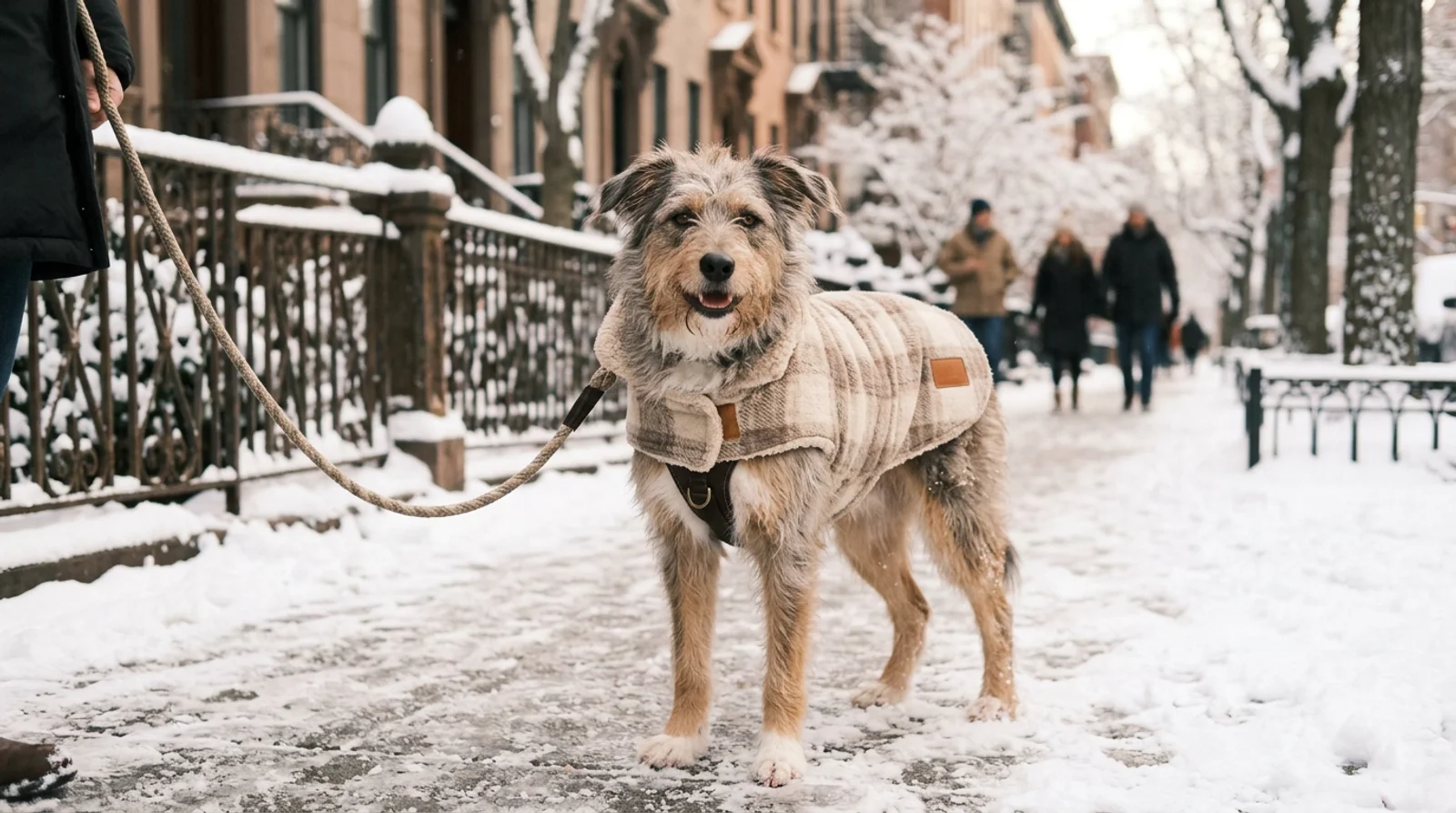
Winter Care for Dogs in Canada: Paws, Coats, and Cold-Weather Safety
Winter Care for Dogs in Canada: Paws, Coats, and Cold-Weather Safety
Winter care for dogs in Canada means protecting paws from salt and ice, knowing when your dog needs a coat, limiting time outdoors in extreme cold, and recognizing early signs of hypothermia and frostbite. A Husky and a Greyhound face very different risks at -20°C.
We've spent enough February mornings coaxing a shivering Whippet back inside—and watching a Malamute refuse to come in—to know that winter dog care is never one-size-fits-all. Your dog's size, coat type, age, and health determine how much cold they can handle and what gear they actually need.
Protect Dog Paws in Winter
Paw pads might look tough, but ice, salt, and chemical de-icers cause real damage. We see cracked, bleeding pads every winter, especially in city dogs walking on heavily salted sidewalks.
The biggest threats:
- Salt and chemical de-icers burn and dry out paw pads. They're also toxic if your dog licks them off.
- Ice balls form between toes and pads, especially on dogs with furry feet—Goldens, Bernese, Newfoundlands. They're painful and can cut skin.
- Sharp ice chunks on plowed streets slice pads.
- Extreme cold can cause frostbite on paw pads, though it takes sustained exposure if the dog keeps moving.
What actually works:
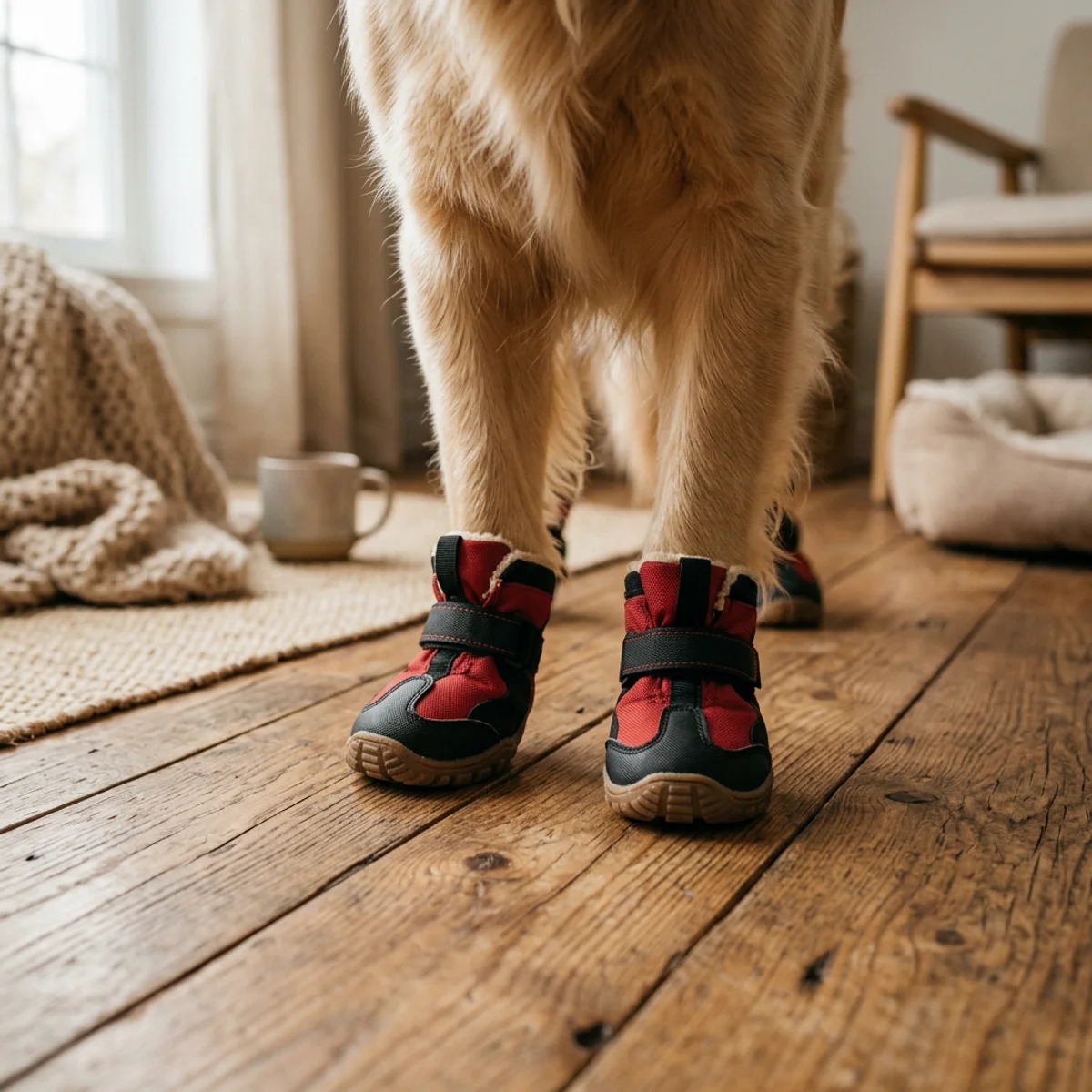
Dog boots are the gold standard if your dog will wear them. Look for rugged soles, secure closures that won't slip off, and water-resistant or waterproof uppers. Expect a few hilarious high-stepping walks while your dog adjusts. Most do, though some never stop hating them.
Paw balms and waxes create a barrier against salt and cold. Apply before walks, not after. We reapply every 2–3 hours on long outings. They won't stop ice balls from forming in furry paws, though.
Trim the fur between your dog's paw pads short in winter. This one step prevents most ice-ball buildup. Use blunt-tipped scissors or ask your groomer.
After every walk:
Rinse or wipe all four paws with warm water to remove salt and de-icer. Keep a basin or paw-cleaning cup by the door. This also prevents your dog from licking chemicals off their feet and protects your floors.
Dog Coats for Winter: Who Really Needs One?
Not every dog needs a coat. We'll say it again: a Samoyed does not need a parka.
Dogs that benefit from winter coats:
- Short-haired breeds: Greyhounds, Whippets, Pit Bulls, Vizslas, Dobermans, Boxers
- Small dogs with high surface-area-to-body-mass ratios—they lose heat fast. Chihuahuas, Italian Greyhounds, Miniature Pinschers.
- Senior dogs with slower metabolisms and thinner coats
- Puppies under six months, especially smooth-coated breeds
- Dogs with health conditions like arthritis, Cushing's disease, or hypothyroidism
Dogs that don't need coats:
- Double-coated northern breeds: Huskies, Malamutes, Samoyeds, Akitas
- Most healthy adult Retrievers, Shepherds, and other thick-coated breeds down to about -10°C to -15°C
A good winter dog coat covers the chest and belly, fits snugly without restricting movement, and stays put when your dog runs or rolls. Waterproof or water-resistant outer layers matter in wet snow. We skip anything with lots of buckles—Velcro and snap closures are faster when you're dealing with an excited dog at the door.
Dog Winter Safety: How Cold Is Too Cold?
There's no universal temperature threshold. A 5 kg Italian Greyhound is uncomfortable at +5°C; a 35 kg Alaskan Malamute is happy at -25°C.
General guidelines (for healthy adult dogs):
| Temperature | Small/Short-Haired Dogs | Medium Dogs | Large Thick-Coated Dogs |
|---|---|---|---|
| +7°C to 0°C | Monitor, coat recommended | Usually fine | Comfortable |
| 0°C to -10°C | Limit time, coat required | Monitor, coat for some | Usually fine |
| -10°C to -20°C | Brief outings only, coat essential | Limit time, coat recommended | Monitor |
| Below -20°C | Bathroom breaks only (under 10 min) | Brief outings, coat essential | Limit time, monitor closely |
Wind chill and wetness matter as much as temperature. A damp dog loses heat fast. -10°C in wet snow with wind feels much worse than -20°C on a calm, dry day.
Signs your dog is too cold on a walk:
- Shivering
- Lifting paws off the ground repeatedly
- Slowing down, reluctance to keep walking
- Hunched posture, tail tucked
- Whining or anxious behavior
If you see any of these, head home. Shivering is an early warning—it means your dog is working hard to generate heat and can't sustain it much longer.
Hypothermia in Dogs: What to Watch For
Hypothermia happens when a dog's body temperature drops below approximately 37°C (99°F). Normal body temperature for dogs is 38–39.2°C (100.5–102.5°F). It's a real risk in Canadian winters, especially for small dogs, senior dogs, and any dog that gets wet in cold weather.
Early signs (mild hypothermia, approximately 32-37°C/90-99°F):
- Shivering
- Lethargy
- Weakness
- Cold ears and paws
Moderate hypothermia (28–32°C):
- Muscle stiffness
- Shallow breathing
- Shivering may stop—this is bad, because it means the dog is too cold to shiver
- Confusion, stumbling
Severe hypothermia (below 28°C):
- Unconsciousness
- Very shallow or absent breathing
- Weak or absent pulse
- Dilated pupils
Severe hypothermia is life-threatening. You won't see it from a normal winter walk—it happens when a dog falls through ice, gets lost in a storm, or is left outside for hours.
What to do if you suspect hypothermia:
Get your dog inside and dry them immediately. If your dog is suffering from hypothermia, treat that first by wrapping them in warm blankets or towels (warm them in the dryer first if you can) and placing warm—not hot—water bottles wrapped in towels against their chest and abdomen. Do not use heating pads, as they can cause burns and may direct too much blood flow toward the skin, which can lead to shock. If your dog is fully conscious and alert, you may offer warm (body temperature) water or broth.
Seek immediate veterinary attention, especially if shivering has stopped, your dog seems disoriented, or you suspect moderate to severe hypothermia. Even mild hypothermia should be evaluated by a veterinarian. Hypothermia can cause heart arrhythmias and other complications that aren't obvious at home.
Frostbite often accompanies hypothermia. The most vulnerable areas are ear tips, tail tip, paw pads, and (in male dogs) the scrotum. Frostbitten skin looks pale or gray, feels cold and hard, and may blister or turn red and swollen as it warms. Never rub frostbitten tissue—you'll cause more damage. Warm the area gently with warm water (98.6-113°F/37-45°C)—you should be able to comfortably place your hand in the water—and get to a vet immediately.
Adjusting Exercise and Outdoor Time
Dogs still need exercise in winter, but how you deliver it changes.
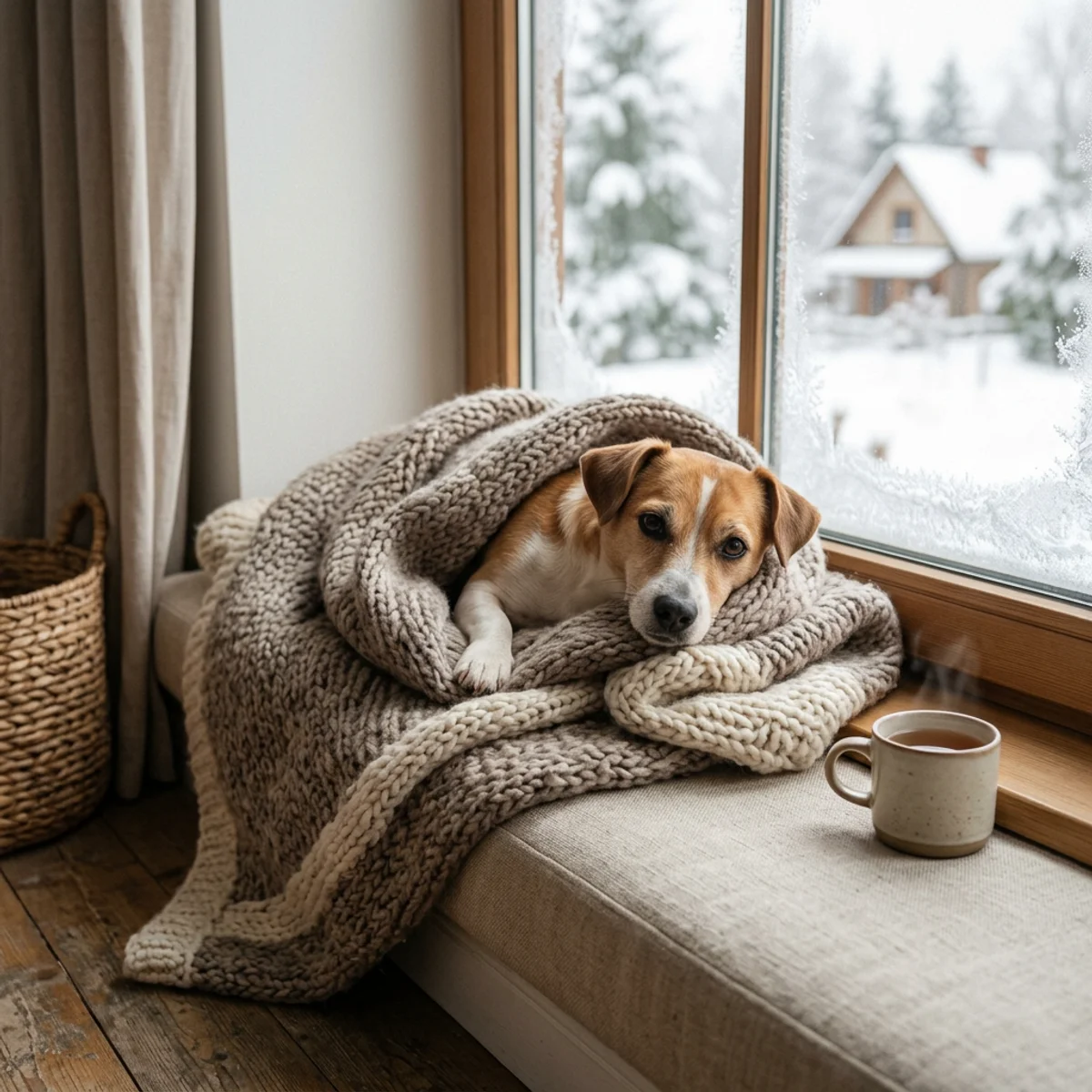
On extremely cold days (below -20°C), we keep walks short—10 to 15 minutes, just long enough for bathroom breaks and a bit of mental stimulation. You can make up the exercise deficit indoors with training games, tug, fetch in a hallway, or a sniff-work session with treats hidden around the house. Mental work tires dogs out faster than you'd expect.
For dogs that love winter and have the coat for it, cold weather is prime hiking and running season. Our Bernese Mountain Dog is happiest between -5°C and -15°C. Just watch paw pads on long outings and bring water—dogs dehydrate in winter, too.
If your dog seems anxious or restless indoors during a cold snap, it's probably boredom, not cold. Work their brain. A 10-minute training session or a frozen Kong can settle a dog as effectively as a 40-minute walk. We've written more about this in our guide to calming dog anxiety naturally.
Winter Grooming Notes
Don't shave or heavily trim double-coated dogs in winter. That undercoat is insulation. A light trim of feathering and paw fur is fine, but leave the body coat intact.
Bathing is trickier in winter. Wet dogs chill fast, so if you bathe at home, make sure your dog is completely dry—including the undercoat—before going outside. We wait for milder days or use a professional groomer with a high-velocity dryer. For more tips, see our article on how to groom your dog at home.
FAQ
How long can my dog stay outside in winter?
It depends on the dog and the temperature. A Husky can spend hours outside at -15°C; a Chihuahua should be out for 5 minutes maximum. Watch your dog's behavior—if they're shivering, lifting paws, or trying to go back inside, their time is up.
Can dogs get frostbite on their paws?
Yes, though it's less common than frostbite on ear tips, tails, and other extremities. Paw pads have good blood flow, which offers some protection, but prolonged exposure to extreme cold or standing on ice can cause frostbite. Boots are the best prevention.
Do indoor dogs need winter coats?
Indoor dogs with thin coats or very short hair often do need coats for outdoor walks in winter, even if they live in a heated house. They're not acclimated to cold the way an outdoor-access dog might be, and they have less opportunity to build any tolerance. Treat them as more vulnerable, not less.
Should I use paw balm and boots together?
You can, though it's usually overkill. If your dog tolerates boots and you're walking on salted pavement, boots alone are enough. Paw balm is a good backup if a boot comes off or for dogs who refuse boots altogether. We use balm on short walks and boots for longer outings or extreme conditions.
Keeping Winter Walks Safe and Enjoyable
Winter in Canada doesn't mean your dog has to stay inside for four months. It means adapting—shorter walks on bitter days, the right gear for your individual dog, and a willingness to pivot to indoor enrichment when the weather turns truly dangerous.
Pay attention to your dog. They'll tell you when they're uncomfortable, and they'll also tell you when they're having the time of their life in fresh snow. The dogs who need the most help are the small ones, the old ones, the thin-coated ones—and they're usually the ones whose people underestimate how cold they actually are.
If you're adding boots, coats, or paw care products to your winter toolkit this year, we've curated our favorite cold-weather essentials at Studio Bleuet. We test everything with our own dogs first, and we only carry what we'd actually use.