Dog Coats and Sweaters for Canadian Winters: Do They Actually Need One?
Dog Coats and Sweaters for Canadian Winters: Do They Actually Need One?
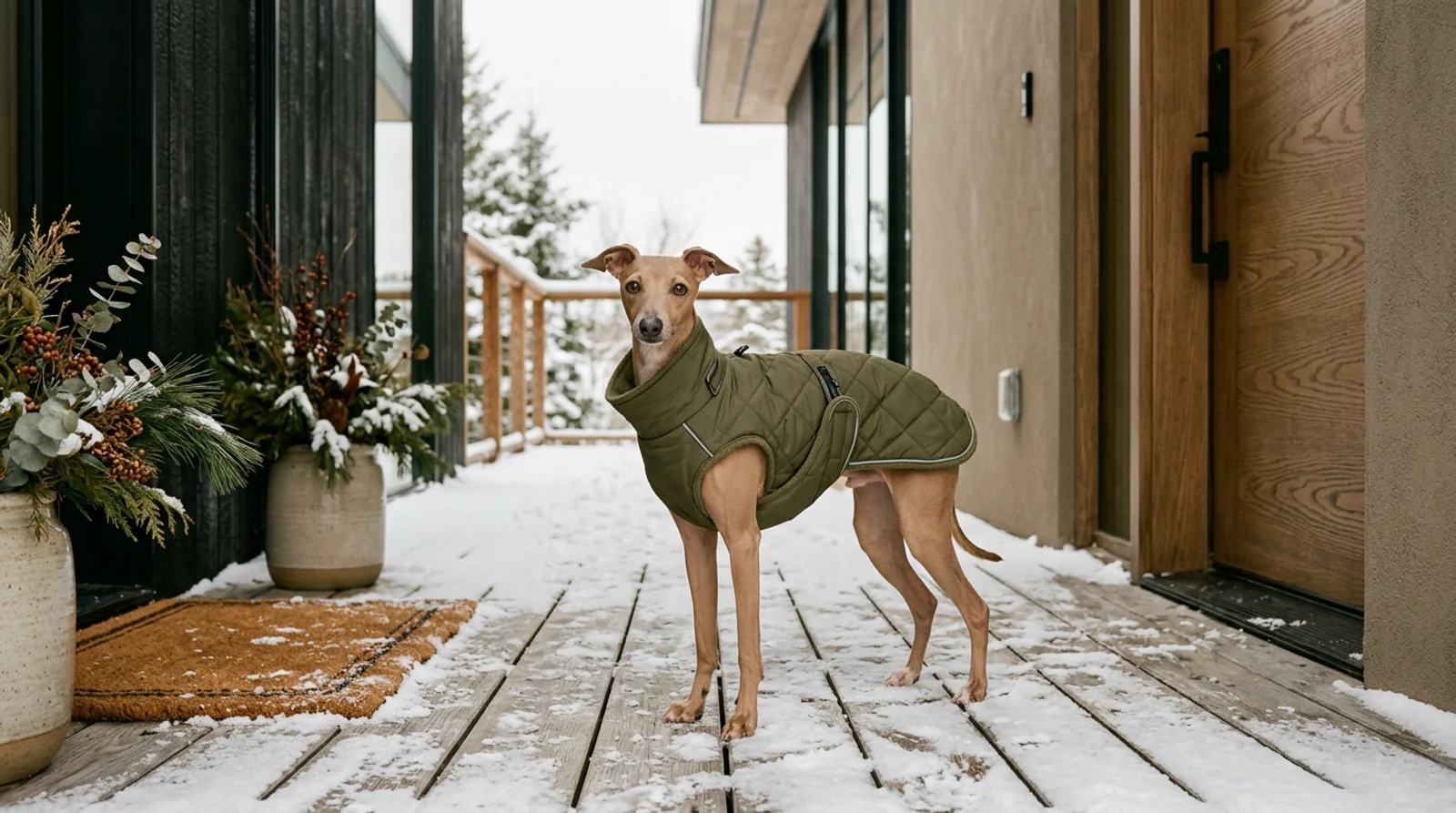
Not every dog needs a coat for winter. Your Husky will be insulted if you try. But that shivering Italian Greyhound refusing to leave the doormat at –22°C? Absolutely needs one.
Last February in Ottawa, we watched this exact scene unfold: one dog gleefully rolling in fresh snow, another trembling on the threshold. The difference comes down to biology — coat type, body composition, and build. Certain breeds, sizes, and health conditions make outerwear genuinely necessary, not just cute. Dog coats for winter matter for single-coated breeds, small dogs, seniors, and puppies. For double-coated northern breeds? Usually overkill.
The real question isn't whether dogs as a species need coats. It's whether your dog does.
Do Dogs Need Coats in Winter?
Three factors determine your dog's cold tolerance: coat type, body composition, and age or health status.
Dogs that genuinely need winter coats:
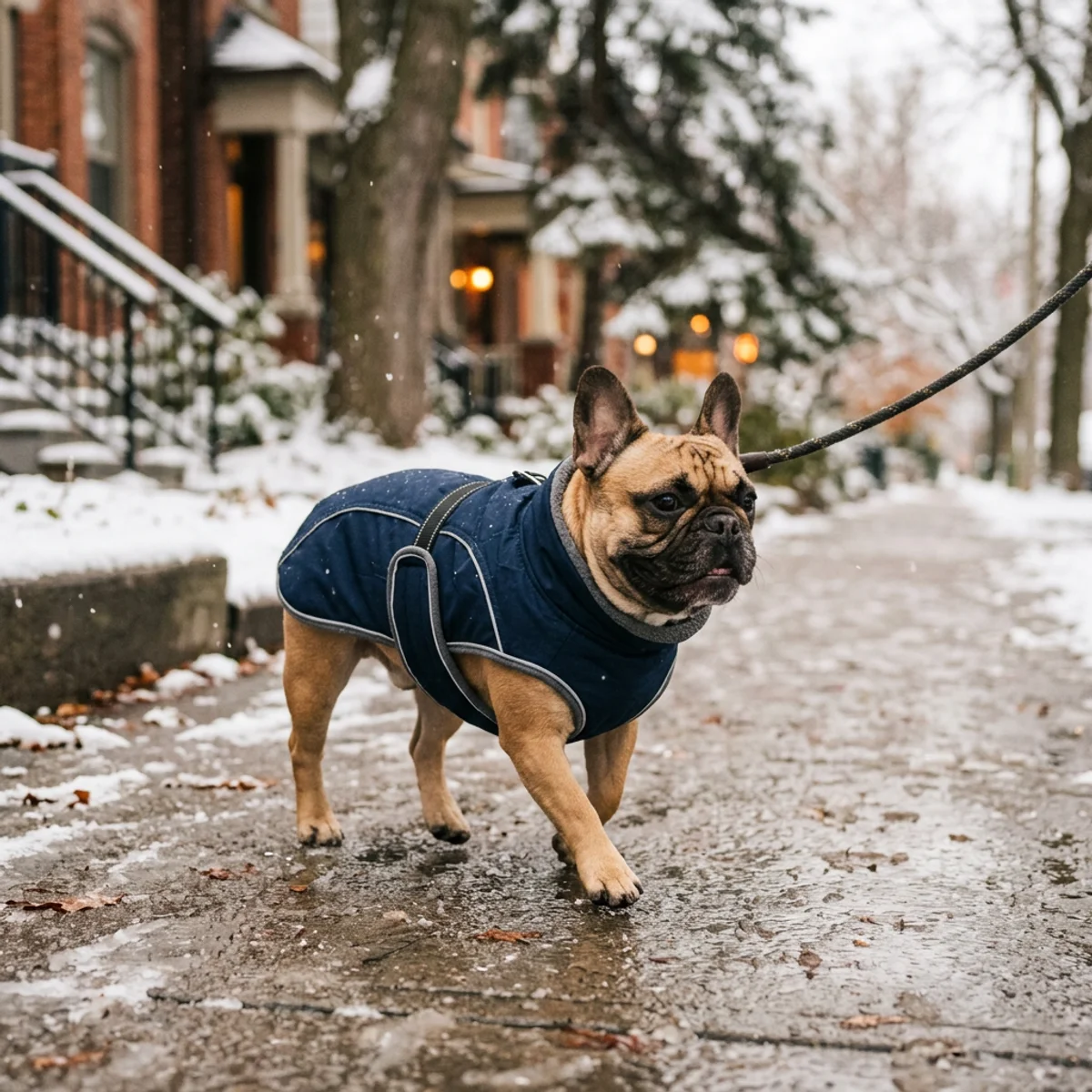
- Single-coated breeds with little to no undercoat: Greyhounds, Whippets, Italian Greyhounds, Chihuahuas, French Bulldogs, Boston Terriers, Boxers, Dobermans, and most toy breeds
- Small dogs under 10 kg — their body mass loses heat faster, and their bellies sit closer to cold, wet ground
- Senior dogs with arthritis or reduced circulation; cold exacerbates joint pain
- Puppies under six months whose thermoregulation isn't fully developed
- Dogs with health conditions like hypothyroidism, Cushing's disease, or compromised immune systems
- Recently groomed dogs — if your Poodle or Doodle just got a short clip in January, they've lost their insulation
Dogs that typically don't need coats:
- Double-coated breeds like Huskies, Malamutes, Samoyeds, Newfoundlands, Great Pyrenees, German Shepherds, Golden Retrievers, and most Spitz-type breeds
- Breeds developed for cold climates — their undercoat traps warm air against the skin
- Healthy adult dogs with thick fur and good body condition
That said, even a double-coated dog might appreciate a waterproof shell during freezing rain. We've seen soaked Golden Retrievers shiver after prolonged exposure to wet, windy conditions. Water conducts heat away from the body 25 times faster than air.
Reading Your Dog's Cold-Weather Signals
Watch behaviour, not breed stereotypes. Our team's Staffordshire Terrier — a muscular 25-kg dog — still lifts her paws and hunches after ten minutes in –15°C weather. Her short coat and low body fat mean she needs outerwear below –10°C.
Signs your dog is too cold:
- Shivering or trembling
- Reluctance to walk or keep moving
- Whining, barking, or anxious behaviour
- Lifting paws repeatedly or favouring one leg
- Hunched posture with tail tucked
- Seeking shelter or trying to turn back home
If you see any of these, cut the walk short and consider a coat for next time.
How to Measure Your Dog for a Coat: Dog Coat Sizing That Actually Fits
A poorly fitted coat is worse than no coat. Too tight and it restricts movement and breathing; too loose and cold air flows in, defeating the purpose. We've returned more ill-fitting jackets than we care to count.
You need three measurements:
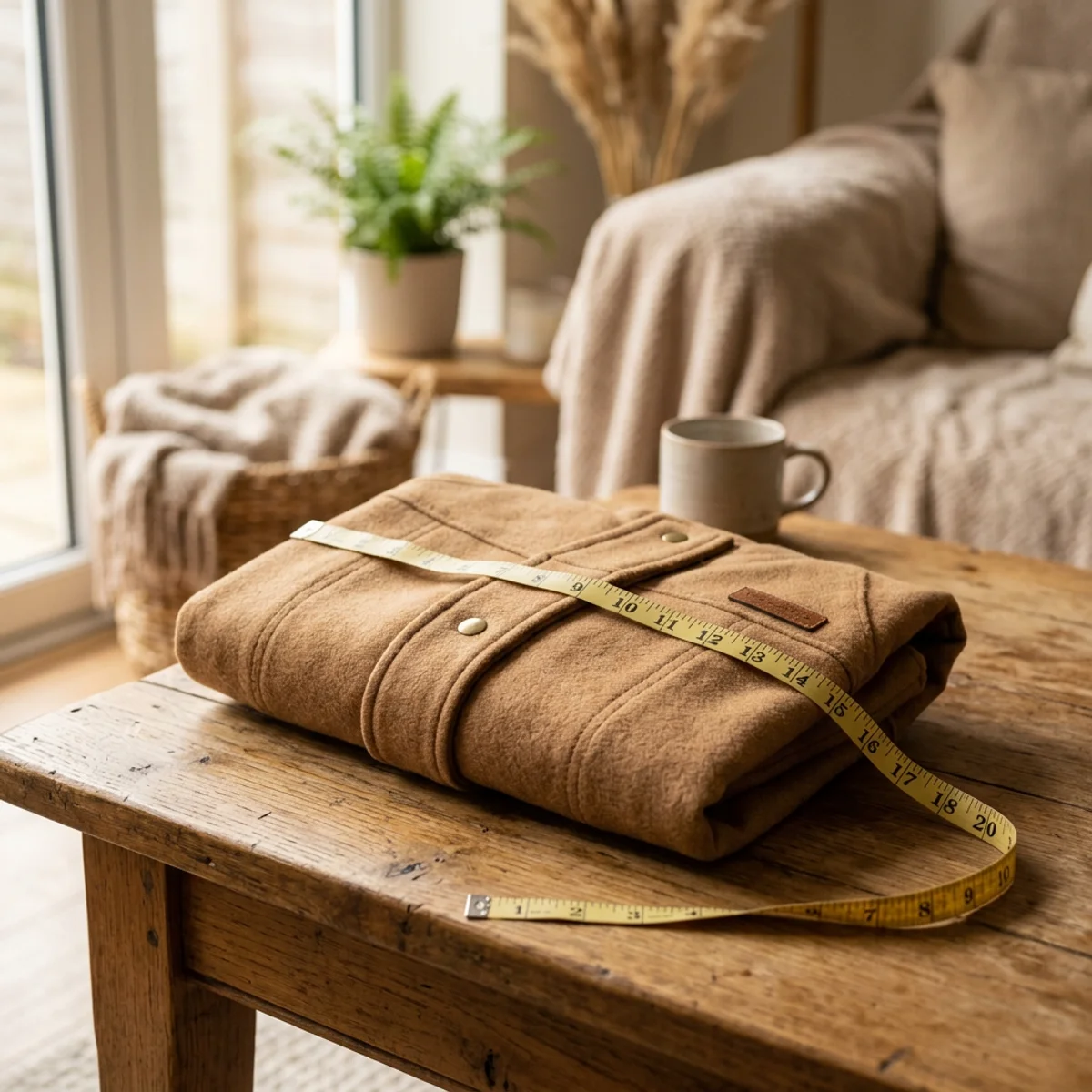
- Back length — measure from the base of the neck (where the collar sits) to the base of the tail. This is the most critical measurement. Do NOT include the tail itself.
- Chest girth — wrap the tape measure around the widest part of the ribcage, usually just behind the front legs. Add 5 cm for comfort and layering.
- Neck circumference — measure where the collar normally sits. Again, add a few centimetres so it's not choking.
Use a soft fabric measuring tape, not a rigid ruler. Measure your dog standing in a natural position — not sitting, lying down, or stretching.
Size Charts Lie (Sometimes)
Breed-based size charts are rough guides at best. Our Beagle mix wears a size small in one brand and a medium in another, even though she hasn't gained a gram. Always compare your measurements against the specific brand's size chart, and when in doubt, size up — you can adjust with Velcro or buckles, but you can't add fabric.
Barrel-chested breeds (Bulldogs, Bull Terriers, Pugs) and deep-chested breeds (Greyhounds, Dobermans, Whippets) often need specialty cuts. Look for brands that offer breed-specific or adjustable-girth designs.
Winter Dog Jacket vs. Dog Sweater: What's the Difference?
We get asked this constantly. The terms aren't interchangeable — each serves a different purpose in Canadian winter.
Dog Sweaters
Best for: Dry cold, indoor/outdoor transitions, layering under a jacket, or mild winter days (0°C to –10°C).
Sweaters provide insulation but little to no weather protection. Knit, fleece, or wool materials trap warm air close to the body. They're perfect for a quick backyard bathroom break or a short urban walk when it's cold but dry.
Limitations: Sweaters absorb moisture. Snow melts against your dog's body heat, the sweater gets wet, and wet fabric pulls heat away from the skin. We learned this the hard way with a cashmere blend that looked gorgeous but turned into a cold, soggy mess after one snow-dusted walk.
If your dog loves to romp in snow, a dog sweater alone won't cut it.
Winter Dog Jackets
Best for: Wet weather, wind, freezing rain, prolonged outdoor time, temperatures below –10°C.
A proper winter dog jacket has a water-resistant or waterproof outer shell, insulation (synthetic fill, fleece lining, or down), and wind-blocking fabric. Many extend along the belly and chest — critical, since heat loss happens fastest from the underside.
Key features we prioritize:
- Waterproof or water-resistant shell — look for coated nylon, polyester with a DWR (durable water repellent) finish, or laminated fabrics
- Insulation — fleece lining for moderate cold; synthetic fill (similar to PrimaLoft) or down for extreme cold below –20°C
- Belly coverage — a panel or strap that wraps under the chest and belly keeps the core warm
- Reflective trim — essential for early-morning or evening winter walks when visibility is poor
- Leash portal — a reinforced slit or hole at the back so you can attach the leash to your dog's harness or collar without removing the coat
- Adjustable closures — Velcro, buckles, or elastic at the chest and belly allow a custom fit
- Easy on/off design — step-in styles or wide neck openings matter when your dog is cold, wet, and impatient
Layering: Sweater + Jacket
For extreme cold (below –20°C) or dogs with very low cold tolerance, we layer a thin fleece sweater under a waterproof jacket. This traps an extra layer of warm air and adds serious insulation. Our Italian Greyhound wears this combo for any walk below –15°C.
| Feature | Dog Sweater | Winter Dog Jacket |
|---|---|---|
| Insulation | Yes | Yes |
| Waterproof | No | Yes |
| Windproof | No | Yes |
| Best for | Dry cold, indoors/outdoors | Wet weather, snow, wind, extreme cold |
| Temperature range | 0°C to –10°C | –10°C to –30°C+ |
| Belly coverage | Usually minimal | Often included |
What to Look for in a Dog Coat for Canadian Winter
Canada throws everything at us: dry prairie cold, coastal freezing rain, lake-effect snow, and wind that cuts through cheap fabric like it's not there. We've tested dozens of coats across climates, and these features separate the functional from the decorative.
Weatherproofing
Water resistance isn't enough for wet snow or freezing rain. Look for jackets labeled waterproof with sealed or taped seams. If water soaks through to the insulation layer, it's game over.
Coverage
The coat should cover from the base of the neck to the base of the tail. Anything shorter leaves the lower back and hips exposed — areas where cold air sneaks in. Extended chest and belly panels are non-negotiable for small dogs whose undersides hover centimetres above ice and slush.
Freedom of Movement
Your dog should walk, trot, and squat to pee without restriction. Shoulder and leg openings need to be generous but not gaping. We test this by having the dog sit, lie down, and shake — if the coat rides up, shifts awkwardly, or restricts the front legs, it's a no.
Durability
Cheap coats pill, rip at the seams, and lose water resistance after a few washes. Look for reinforced stitching, quality zippers (YKK is the gold standard), and ripstop fabric. A $40 coat that lasts one season is more expensive than a $90 coat that lasts five.
Washability
Dog coats get filthy — mud, salt, urine splashes from squatting, drool. Machine-washable designs save sanity. Hang or tumble dry low; high heat can damage waterproof coatings.
Common Dog Coat Mistakes We See
Buying based on looks, not function. That quilted puffer vest is adorable but leaves the belly exposed. Function first, aesthetics second.
Ignoring the breed's build. A coat designed for a Labrador will not fit a Dachshund, even if the length measurement matches. Long-backed, short-legged dogs need specialty sizing.
Putting a coat on a wet dog. Dry your dog first, especially after a bath or swimming. Trapping moisture under a coat leads to chilling, not warming.
Leaving the coat on indoors. Dogs can overheat quickly. Remove the coat as soon as you're inside — our homes are typically 20°C+, far too warm for insulated outerwear.
Skipping paw protection. A coat warms the torso, but paws still contact ice, salt, and chemical de-icers. Consider boots or paw balm, especially for small dogs or those with furry feet that collect ice balls. (We covered this in more detail in our winter care for dogs guide.)
FAQ
Do Huskies or other double-coated breeds ever need winter coats?
Rarely. Healthy Huskies, Malamutes, Samoyeds, and similar breeds are built for extreme cold and typically don't need coats even at –30°C. However, a lightweight waterproof shell can help during prolonged exposure to freezing rain or wet snow, which compromises the insulating air pockets in their undercoat. Senior or ill double-coated dogs may also benefit from extra warmth.
How cold is too cold for a dog without a coat?
It depends entirely on the individual dog. Small, thin-coated breeds may struggle below 0°C, while double-coated breeds are comfortable well into the –20°C range. Watch your dog's behaviour. Shivering, reluctance to move, or lifting paws are clear signs they're too cold. As a general rule, if you need a heavy parka, your Chihuahua or Greyhound definitely needs a coat.
Can I use a dog sweater in the rain?
No. Sweaters are knit or fleece and absorb water, which will make your dog colder, not warmer. Use a waterproof jacket for any wet conditions — rain, sleet, or heavy wet snow. If you want the insulation of a sweater in wet weather, layer it under a waterproof shell.
My dog hates wearing a coat. How do I get them used to it?
Start indoors with positive associations. Let your dog sniff the coat, then reward with treats. Drape it over their back for a few seconds, treat, remove. Gradually work up to fastening it loosely, then snugly, always pairing it with something they love — treats, play, or mealtime. Once they're comfortable wearing it indoors, try short outdoor sessions. Some dogs adjust in days; others take weeks. Patience and consistency win. (If anxiety is a broader issue, our guide to calming dog anxiety naturally has more strategies.)
Finding the Right Fit for Your Dog
A well-fitted coat transforms winter walks for dogs who need them. We've watched shivering, reluctant walkers become enthusiastic once they're warm and dry. The difference is that stark.
Measure carefully, prioritize function, and don't assume your dog doesn't need outerwear just because they have fur — a Boxer's short coat offers about as much insulation as a T-shirt offers you. And if your double-coated Newfoundland is thriving bare in a blizzard? Let them enjoy it.
We curate cold-weather gear designed for Canadian winters — waterproof, well-constructed, and actually functional. Browse our selection of dog coats and sweaters, or reach out if you're unsure what your dog needs. We're here to help you both stay comfortable, no matter what January throws at you.
Sources
- American Veterinary Medical Association — Cold Weather Animal Safety
- Cornell University College of Veterinary Medicine — Winter Safety Tips
- American Kennel Club — Does My Dog Need a Winter Coat?
- VCA Hospitals — What to Consider When Choosing a Dog Jacket
- Canadian Veterinary Medical Association — Cold Weather and Pets