Leash Training Tips: Teach Your Dog to Walk Calmly Without Pulling
Leash Training Tips: Teach Your Dog to Walk Calmly Without Pulling
Your dog isn't dragging you down the sidewalk out of spite—they're just more excited about the world than they are worried about your shoulder socket. Whether you've got a 10-week-old Cocker Spaniel who hasn't figured out that leashes exist or a 35-kg Labrador who's been pulling for three years, teaching loose leash walking comes down to three things: the right gear, consistent technique, and realistic expectations.
We've walked hundreds of kilometres with our own dogs and tested more leashes and harnesses than we care to admit. Most pulling problems are fixable once you understand why they happen and what actually works to stop them.
Why Dogs Pull (and Why Punishment Backfires)
Dogs pull because it works. Every time your Beagle lunges toward an interesting smell and you follow—even reluctantly—you've reinforced that pulling gets them where they want to go. It's operant conditioning, and your dog is excellent at it.
The old-school fix was to yank the leash, pop the collar, or use a choke chain. We don't recommend any of that. Aversive methods can damage your dog's trachea, spike anxiety (especially in already-nervous dogs), and often make pulling worse once the discomfort fades. They also erode trust, which is the opposite of what a walk should build.
Positive reinforcement—rewarding the behaviour you want—teaches your dog what to do, not just what to avoid. It takes longer up front. But it sticks, and it doesn't come with a side of fear or pain.
How to Stop Dog Pulling on Leash: Step-by-Step Training
Loose leash walking is a skill. You build it in layers, not in one heroic session. Here's how we teach it.
Start Inside, With Zero Distractions
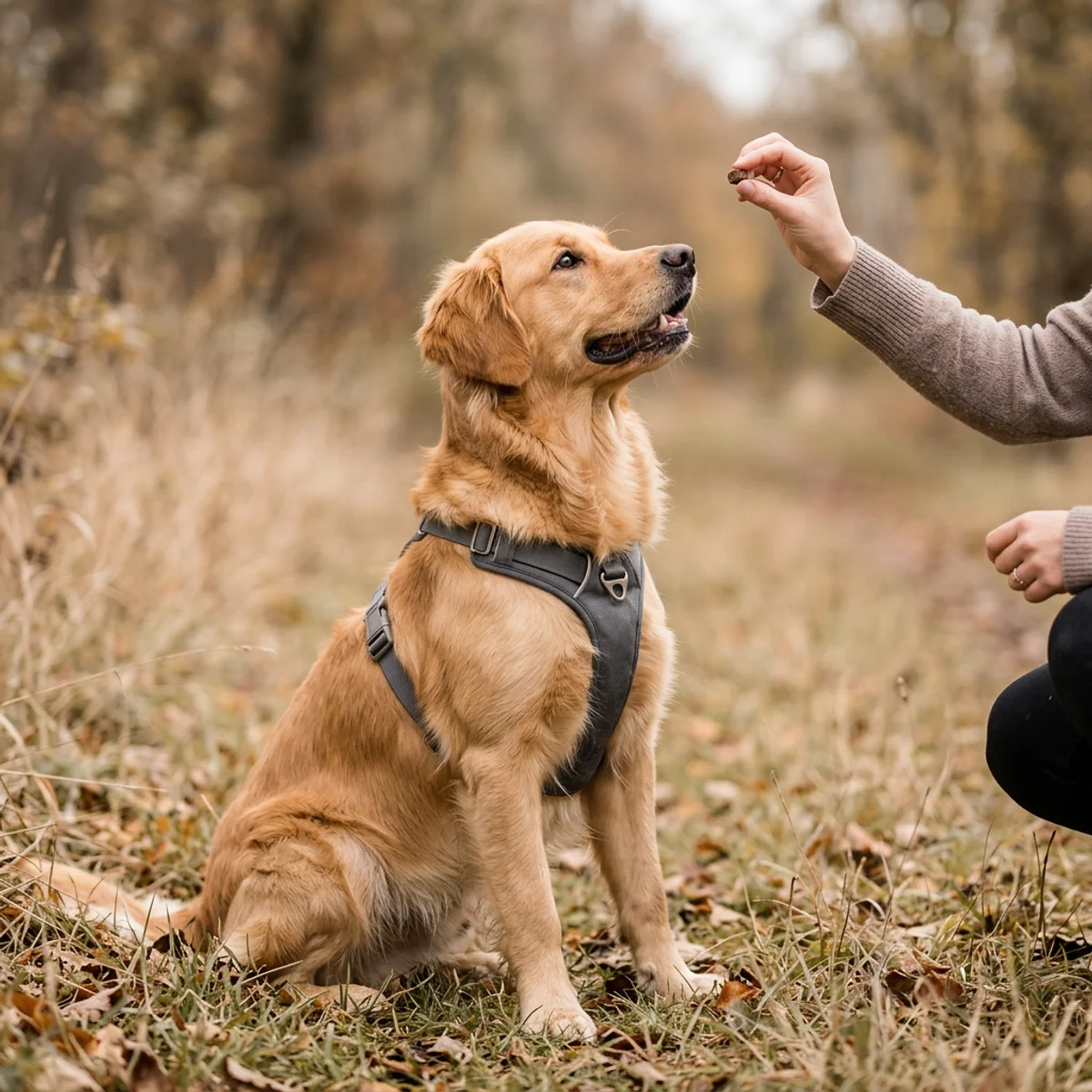
Before you open the front door, practice in your living room. Clip on the leash, take a few steps, and the moment your dog looks at you or the leash goes slack, mark it with a clicker or a bright "yes!" and reward with a small, high-value treat. We like freeze-dried liver or tiny pieces of cheese.
Repeat for three to five minutes. Keep it short. You're teaching your dog that a loose leash equals good things.
Move to the Driveway or Yard
Once your dog understands the game indoors, take it outside where there's mild stimulation but still low distraction. Walk a few steps. If the leash tightens, stop dead. Don't pull back—just become a tree. The instant your dog releases tension, even if they just shift their weight, mark and reward.
This is the "red-light, green-light" method, and it's incredibly effective for dogs who haven't learned that pulling stops the walk.
Practice on Real Walks, But Keep Them Short
Now you're ready for the sidewalk. For the first week, your training walks should be 10 to 15 minutes max. Pick a quiet street or a time when there are fewer dogs, squirrels, and kids on scooters.
Every time your dog walks beside you with slack in the leash, reward frequently—every few steps at first. Gradually space out the treats as they improve. If your dog pulls, stop, wait, and reward the moment they check in.
Don't expect a full neighbourhood loop right away. Some days you might only make it 50 metres before turning back. That's fine. You're building a foundation.
Add Distance and Distractions Slowly
Once your dog can walk calmly for five minutes on a quiet street, start adding mild distractions: a neighbour's cat in a window, another dog across the road, a jogger. Reward heavily when your dog notices the distraction but stays with you.
If your dog lunges or loses focus, you've moved too fast. Drop back to an easier environment for a few sessions.
Choosing the Best Leash for Training
Gear matters more than most people realize. The wrong leash or collar can sabotage even the best technique.
Leash Length and Material
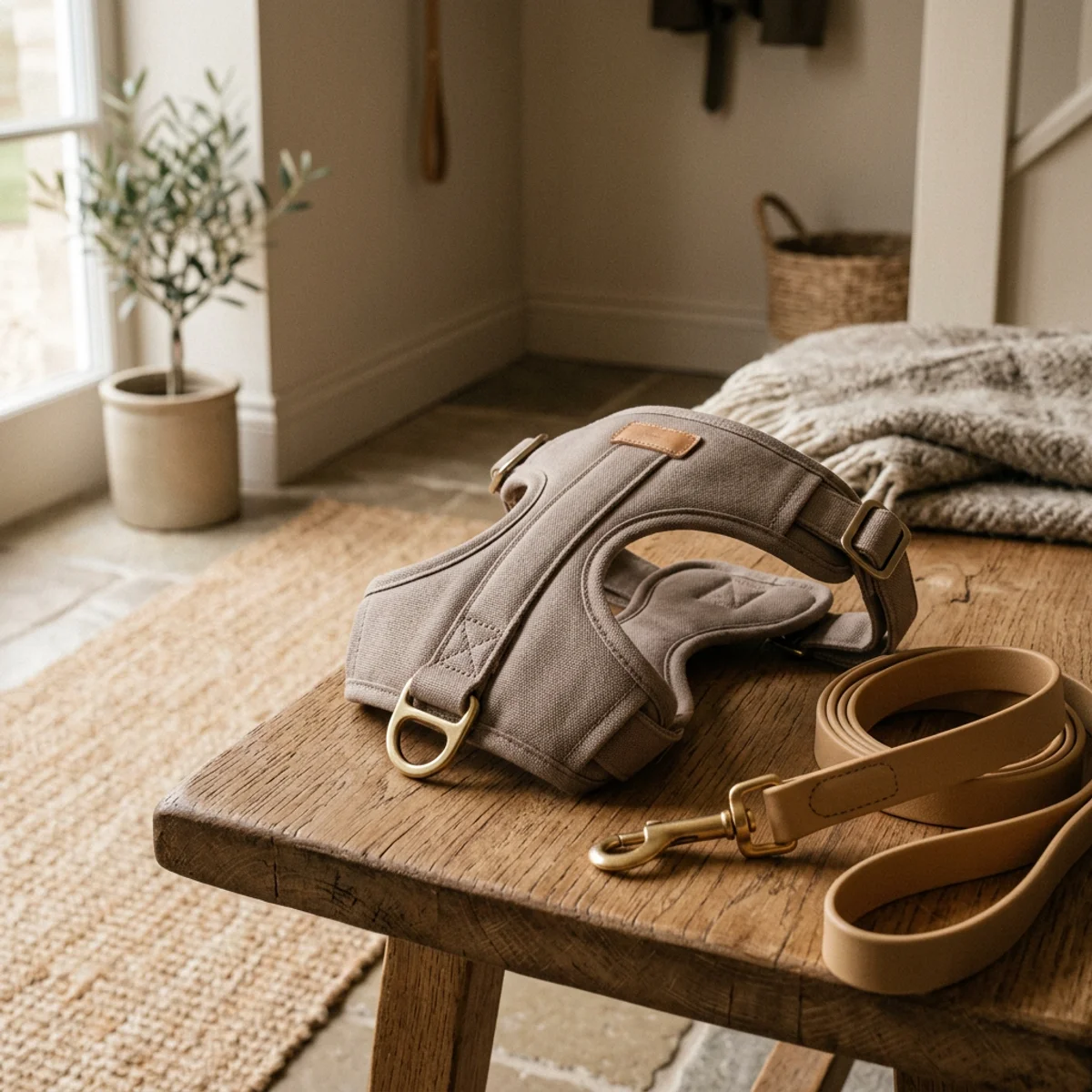
For training, we recommend a 1.8-metre (6-foot) leash made of soft, flat nylon or biothane. This length gives your dog room to sniff and move naturally without losing communication.
Avoid retractable leashes entirely during training. They teach your dog that pulling extends the leash—the exact opposite of what you want. Save the retractable for off-leash-style sniffing in a safe field once your dog has mastered loose leash walking.
Biothane is our go-to for Canadian weather: it doesn't absorb water, wipes clean, and won't freeze stiff in January. Leather looks beautiful but requires maintenance and gets slippery when wet.
Harness vs. Collar: What Works Best?
For most dogs, a front-clip harness is the single best tool to stop pulling. When your dog lunges forward, the front attachment gently turns them back toward you, making pulling physically unrewarding. It doesn't hurt—it just redirects.
We especially recommend front-clip harnesses for strong breeds like Huskies, Boxers, and Rottweilers, or any dog with tracheal issues (common in Pugs, Bulldogs, and small breeds).
A back-clip harness is comfortable but offers zero pulling deterrent. In fact, it can encourage pulling, since that's how sled dogs are rigged. Use a back-clip only once your dog has reliable loose leash skills.
Flat collars are fine for well-trained dogs, but if your dog pulls at all, the constant pressure on their trachea isn't worth it. Skip the choke chains, prong collars, and slip leads entirely. There are better ways.
Teaching Loose Leash Walking: Troubleshooting Common Problems
My Dog Pulls Only When They See Another Dog
This is leash reactivity, and it's incredibly common. Your dog might be excited, frustrated, or anxious—the solution is the same either way: create distance and reward calm behaviour.
When you see another dog approaching, cross the street or step behind a parked car. Ask your dog to sit or focus on you, and reward heavily for any attention. Gradually decrease the distance over weeks as your dog learns that other dogs aren't a big deal.
If your dog is lunging, barking, or showing fear, work with a certified professional trainer. This goes beyond basic leash manners.
My Dog Walks Fine for 10 Minutes, Then Loses It
Your dog is probably under-exercised before the walk even starts. A 20-minute sniff session in the yard, a quick game of tug, or five minutes of obedience practice can take the edge off.
We also see this with adolescent dogs (roughly 6 to 18 months) who haven't developed impulse control yet. Keep sessions short, reward frequently, and be patient. They'll get there.
My Dog Stops and Refuses to Move
This is different from pulling and usually signals fear, stress, or discomfort. A dog who plants their feet isn't being stubborn—they're overwhelmed.
Don't drag them. Kneel down, encourage gently, and let them approach you. If this happens regularly, shorten your route, avoid triggers (loud streets, construction, other dogs), and check whether the harness fits or if your dog has joint pain. When a dog refuses to walk, listen.
Dog Leash Training: Realistic Expectations
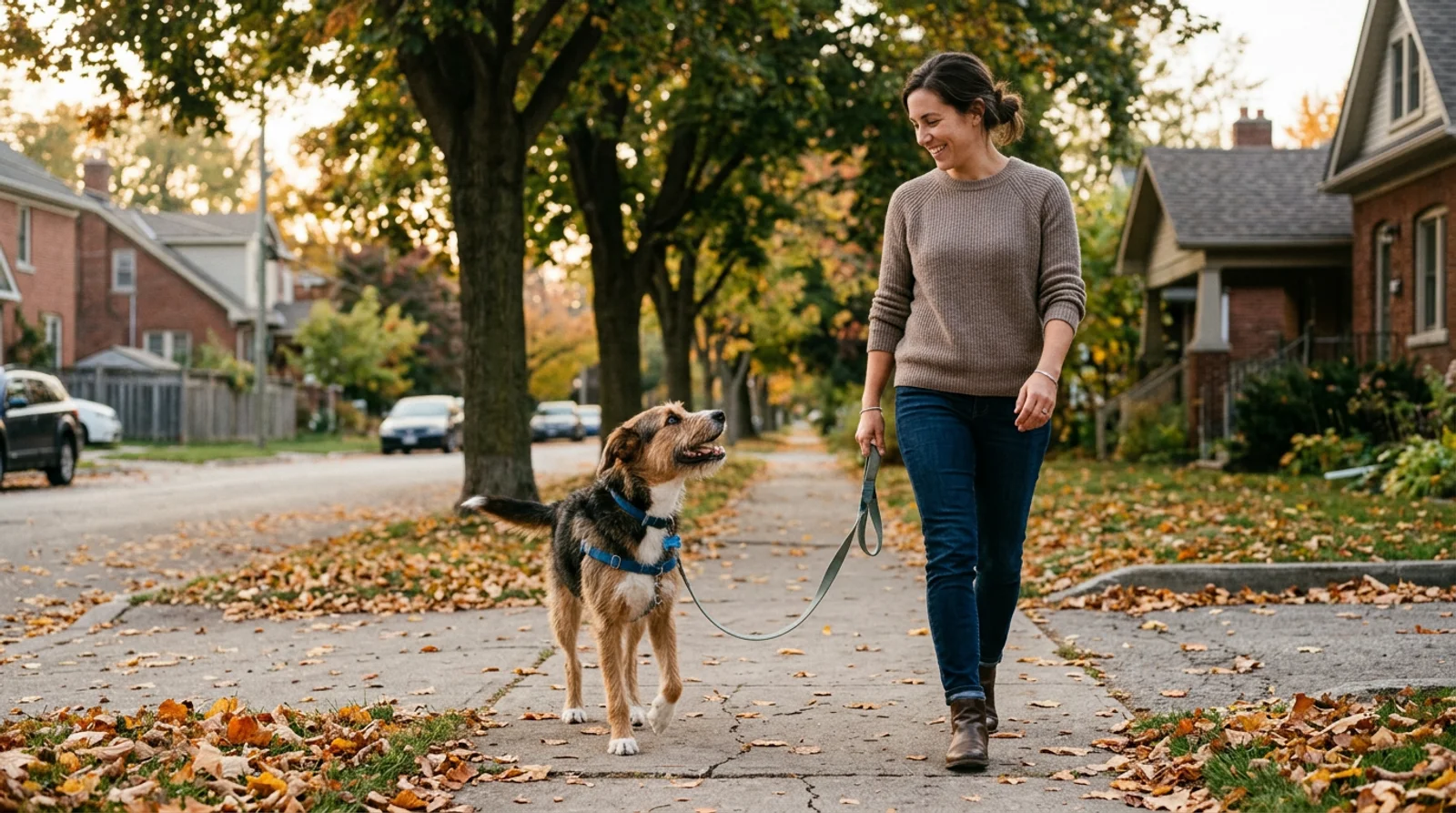
Your dog will not walk in a perfect heel unless you're training for competition obedience, and honestly, they shouldn't have to. A good walk means your dog can sniff, explore, and move naturally while keeping the leash slack most of the time.
Some breeds—scent hounds, terriers, northern breeds—will always be more distractible. A Beagle is never going to stroll past a squirrel with the calm indifference of a Greyhound. Adjust your expectations to your dog's breed, age, and personality.
Consistency is everything. If you allow pulling on Saturday's park walk but enforce loose leash walking on Tuesday's vet trip, your dog will be confused. Decide on your standard and stick to it—every walk, every person in your household.
FAQ
How long does leash training take?
For a young puppy with no bad habits, you can see real progress in two to three weeks of daily 10-minute sessions. For an adult dog who's been pulling for years, expect two to three months of consistent work. The timeline depends on your dog's age, breed, temperament, and how often you practice.
Can I train an older dog to stop pulling?
Absolutely. Older dogs often learn faster than puppies because they have better focus and impulse control. You're just retraining a habit, which takes patience but is completely doable. We've seen 8-year-old Labradors become polite leash walkers with the right approach.
What treats should I use for leash training?
Small, soft, high-value treats your dog can eat in one second without chewing. Freeze-dried meat, small training kibble, cooked chicken, cheese, or hot dog bits all work well. Keep them in a treat pouch on your hip so you can reward instantly. Timing is everything.
Should I let my dog sniff on walks?
Yes. Sniffing is how dogs experience the world, and it's mentally enriching. A walk where your dog can't sniff is like taking you to an art gallery blindfolded. Build in "sniff breaks" where you let the leash out and let your dog explore a patch of grass or a tree for 30 seconds, then cue them to keep moving. This makes walks more satisfying and often reduces pulling because your dog knows sniff time is coming.
Build the Walk You Both Deserve
The best leash walks we've ever had—with our own dogs and the ones we've worked with—are the ones where the dog checks in regularly, sniffs happily, and trots along beside us with a loose line and a wagging tail. That's the goal.
It takes time, the right gear, and a lot of treats. But it's worth every repetition.
If your dog is showing signs of anxiety on walks—panting, trembling, cowering, or refusing to move—take a look at our guide on calming dog anxiety naturally for additional support strategies. And if winter walks are part of your routine, our winter care tips for Canadian dogs will help you keep those paws safe when the temperature drops.
Grab a good front-clip harness, a pocketful of treats, and start with five minutes in your driveway. You'll be amazed how quickly things shift when you stop fighting the leash and start teaching with it.