Senior Dog Care: What Your Aging Dog Actually Needs
Senior Dog Care: What Your Aging Dog Actually Needs
Our fourteen-year-old border collie started refusing the stairs last spring. Not dramatically—just a hesitation at the bottom step, a careful calculation we'd never seen before. Senior dog care means adjusting routines to support changing physical abilities, catching age-related health issues early, and prioritizing comfort without abandoning mental engagement. That stair hesitation? It marks the shift every dog owner eventually faces: your tireless companion is aging, and their needs are changing faster than you might realize.
Dogs enter their senior years at different ages depending on their size: giant breeds around 5-6 years, large breeds around 7-8 years, and small breeds around 10-12 years. This is because dogs are generally considered senior when they've reached about 75% of their expected lifespan. The care decisions you make during this stage directly impact how many good years you'll share.
We've guided hundreds of pet parents through this transition at Studio Bleuet, and we live it ourselves. Here's what actually matters when your dog's muzzle starts to grey.
When Does a Dog Become a Senior?
The "age seven" rule is a rough guideline that really only applies to some medium and large breeds. Large and giant breeds age faster—a 60-kg Bernese mountain dog is genuinely senior at five to six, while our team member's 8-kg miniature poodle is still doing agility at twelve.
Watch for the real markers instead of counting birthdays:
- Greying around the muzzle and eyes (often the first visible sign)
- Slower to rise after naps, especially on cold mornings
- Reduced interest in long walks or activities they used to demand
- Cloudiness in the eyes (nuclear sclerosis, a normal aging change, or cataracts)
- Weight changes in either direction
- Increased sleep: Senior dogs typically sleep more than younger dogs. However, significant increases in sleeping time can indicate health issues and should be monitored. Consult your veterinarian if you notice marked changes in your dog's sleep patterns.
One or two signs don't mean your dog is falling apart. They mean it's time to adjust.
Aging Dog Health: What to Monitor and When to Act
Senior dogs need veterinary checkups every six months, not annually. Things change fast at this stage, and early detection matters enormously for conditions like kidney disease, diabetes, and arthritis.
The Non-Negotiable Health Checks
Your vet should be running bloodwork—complete blood count and chemistry panel—at least yearly, ideally twice. Early detection of kidney disease through bloodwork allows for better management of the condition. While kidney disease is progressive and cannot be cured, early intervention can help preserve kidney function and improve quality of life.
At home, track these weekly:
- Weight: a 2-kg loss on a 25-kg dog is significant
- Water intake: sudden increases can signal diabetes or kidney issues
- Bathroom habits: straining, accidents, or increased frequency all warrant a call
- Appetite changes: senior dogs shouldn't suddenly become picky without reason
- Lumps and bumps: not all are cancer, but all should be checked
Common Senior Dog Conditions We See Constantly
Arthritis affects most dogs over ten. Your dog won't yelp or limp dramatically—they'll just move less, lag on walks, or stop jumping on the couch. If your previously social dog starts avoiding the puppy next door, pain might be why.
Dental disease worsens with age and causes real suffering. If your dog's breath could strip paint or they're dropping kibble while eating, book a dental exam. While anesthesia does carry risks in older dogs, untreated dental disease can lead to serious health complications including organ damage from chronic bacterial inflammation. Your veterinarian can assess your individual dog's anesthesia risk through pre-operative bloodwork and examination to help you make an informed decision about dental procedures.
Cognitive dysfunction (canine dementia) shows up as disorientation, house-training accidents, altered sleep cycles, or staring at walls. It's underdiagnosed because people assume it's "just old age."
None of this is normal aging that you simply accept. All of it can be managed, and your dog's comfort depends on you noticing.
Mobility Support and Physical Comfort for Elderly Dogs
The stairs our border collie refused? We added a runner for traction and taught her to take them slowly. She uses them confidently again. Small adjustments matter more than expensive interventions.
Making Your Home Senior-Dog Friendly
Slippery floors are your enemy now. Hardwood and tile become hazardous when your dog's proprioception fades and their joints ache. We use washable cotton runners in high-traffic areas—they're not precious, and they work.
Ramps with gentle inclines are generally easier for senior dogs than stairs. The appropriate incline depends on your dog's size and mobility. Consult your veterinarian or a veterinary rehabilitation specialist for specific recommendations for your dog. For furniture, we prefer low-profile dog beds placed near the couch rather than expecting a twelve-year-old Labrador to keep launching themselves up.
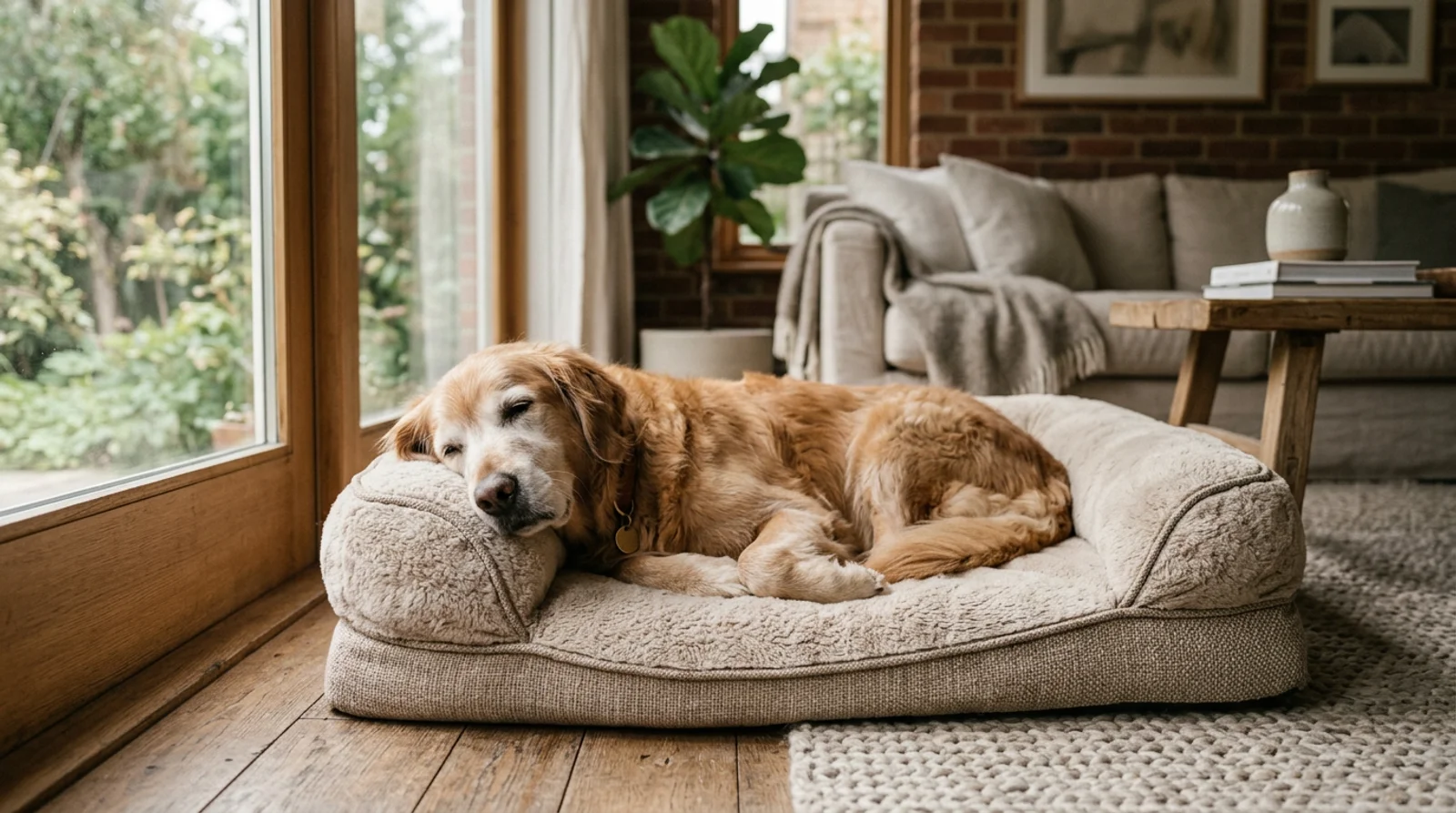
Orthopedic beds aren't optional anymore. Memory foam or supportive bolster beds reduce pressure on arthritic joints. Our own senior dogs gravitate to their orthopedic beds even when the couch is available—they feel the difference.
Exercise: Less Duration, Same Importance
Your senior dog still needs daily movement, just not the 90-minute hikes they used to demand. Three 15-minute walks often work better than one long slog. Swimming is exceptional for arthritic dogs if you have access—it builds muscle without joint stress.
Watch for next-day stiffness. If your dog is sore the day after a walk, you overdid it. Our border collie gets 20 minutes twice daily now, down from the hour-long rambles of her youth, and she's content.
Some dogs benefit from joint supplements (glucosamine, chondroitin, omega-3s) or prescription pain management. Always consult your veterinarian before starting any supplements or pain medications, as they can evaluate your dog's specific needs and ensure there are no contraindications with existing health conditions or medications. Managing pain appropriately can significantly improve quality of life.
Senior Dog Nutrition and Feeding Adjustments
Calorie needs often decrease as activity drops, but protein requirements don't. Senior dogs generally need high-quality protein to maintain muscle mass. The recommendation for low-protein diets applies primarily to dogs with advanced kidney disease, and dietary changes should always be made under veterinary guidance based on your individual dog's health status and bloodwork results.
What does change:
- Smaller, more frequent meals can help dogs with reduced stomach capacity or nausea
- Softer food or moistened kibble if dental disease makes chewing painful
- Elevated feeding stations: Elevated feeding stations may reduce neck and shoulder strain for some dogs with arthritis or mobility issues. However, for large, deep-chested breeds, discuss elevated feeding with your veterinarian, as some research suggests it may be associated with increased bloat risk, though evidence is not conclusive. Your vet can help determine what's best for your individual dog. (Our feeding stations article covers the setup)
- Increased water access: place bowls on every floor if your dog is reluctant to climb stairs
Senior-specific dog foods aren't automatically better. Read the ingredient panel. You want named meat proteins, not corn and by-products with a "senior" label slapped on.
Weight management becomes critical. Excess weight accelerates arthritis and stresses aging hearts. But sudden weight loss is equally concerning—it can indicate cancer, organ disease, or dental pain preventing eating.
Mental Stimulation and Quality of Life
The cruelest myth about senior dogs is that they're past caring about enrichment. Our fourteen-year-old still perks up for scent games and puzzle feeders. Her body is slower; her brain isn't.
Cognitive Exercise That Works
Forget the intense training sessions. Instead:
- Sniff walks where your dog sets the pace and investigates every smell
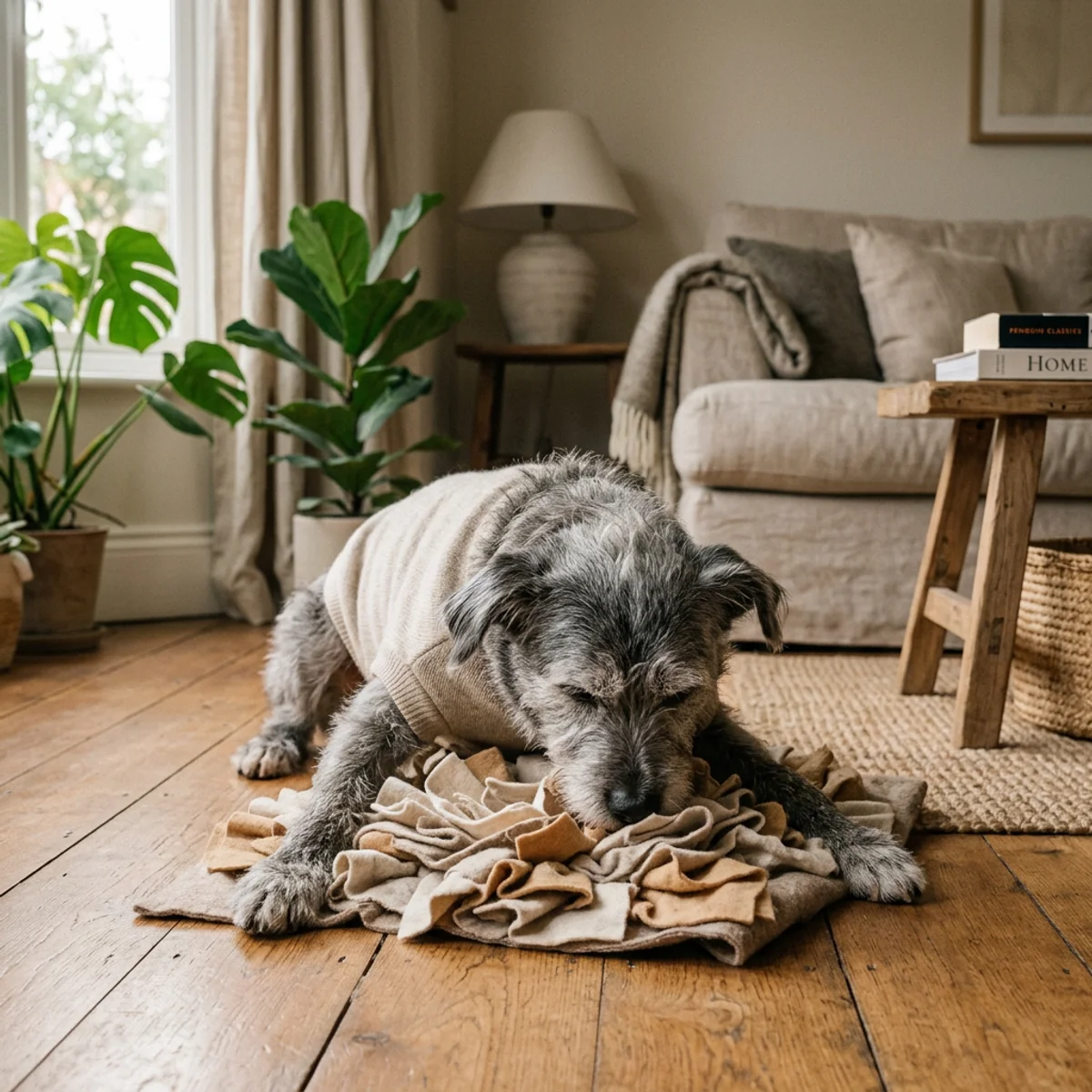
- Simple food puzzles: snuffle mats, treat-dispensing toys set to easy mode
- New (short) routes: novel environments provide mental stimulation without physical strain
- Gentle trick training: learning still happens, just slower
One of our team's ancient terrier learned to ring a bell for treats at age thirteen. It gave her purpose during weeks when arthritis kept walks short.
Social Needs Shift
Some senior dogs become less tolerant of rude puppies or chaotic dog parks. That's normal, not antisocial. Arrange calm one-on-one visits with polite dog friends instead of throwing your twelve-year-old into a wrestling match with an adolescent retriever.
Other dogs become more attached and anxious when left alone. Calming anxiety naturally becomes more relevant as cognitive function changes.
Grooming and Hygiene for Elderly Dogs
Arthritis makes self-grooming difficult. Dogs who once kept themselves tidy may develop matted fur or dirty rear ends because they can't twist to reach anymore.
We bathe our seniors more gently and more frequently in spot-cleans rather than full dunks. A warm washcloth on the hindquarters beats wrestling an aching dog into a tub. For full baths, non-slip mats are essential—falling is genuinely frightening for a dog with poor balance.
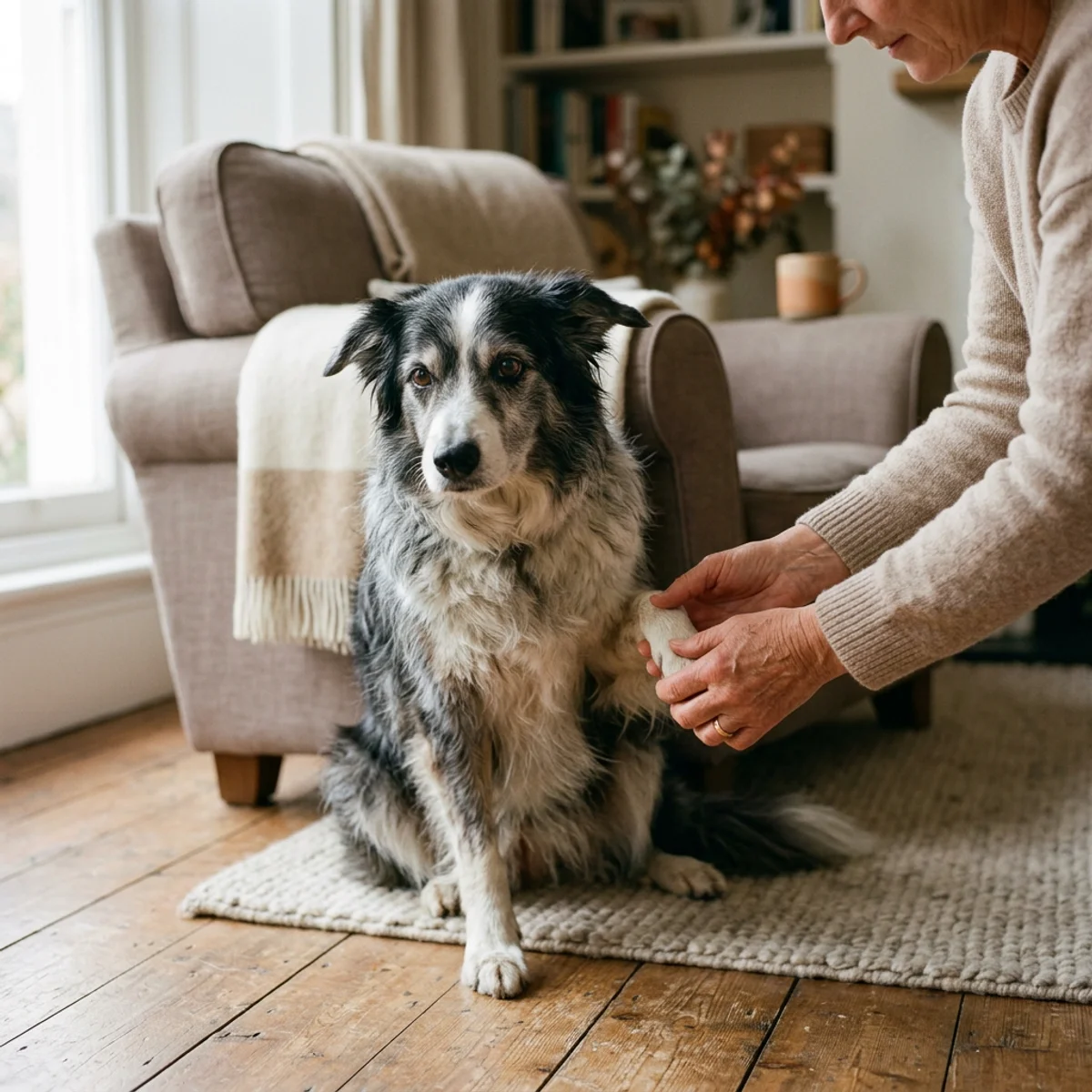
Nail care becomes more important as activity decreases. Overgrown nails force awkward weight distribution and worsen arthritis pain. Our dog paw care routine covers technique, but consider professional grooming if your dog finds it stressful.
Brush more often. It stimulates circulation, distributes oils, and gives you time to check for new lumps or skin issues.
The Quality-of-Life Conversation
This is the section nobody wants to read, but it's the most important.
You'll know when something shifts beyond normal aging. Your dog stops greeting you at the door. They refuse favorite treats. They seem absent, or in constant discomfort despite medication. We've been through this with our own dogs, and there's no formula—but there are questions that help.
Is your dog having more good days than bad? Can they do the things that make them happy, even in modified form? Are you managing pain, or are you chasing it?
Many vets offer quality-of-life assessment scales. Use them monthly as your dog ages. They provide objectivity when emotion clouds judgment.
We believe senior dogs deserve comfort, dignity, and joy right to the end—not endless intervention that prolongs suffering. When the time comes, in-home euthanasia services exist across Canada. Your dog's final moments should be peaceful, in their own bed, with you present.
But most senior dogs have good months or even years ahead once you adapt their care. The grey-muzzled dog sleeping in the sun beside us as we write this is content, comfortable, and still very much herself at fourteen.
FAQ: Caring for Old Dogs
When should I switch to senior dog food?
There's no magic birthday. Evaluate your individual dog's body condition, activity level, and health status instead. Many dogs do fine on their adult food for years past age seven. Switch if your vet identifies a specific need (weight management, kidney support) or if your dog's current food no longer maintains healthy weight and energy. "Senior" on the label doesn't automatically mean better—read ingredients and consult your vet.
How do I know if my senior dog is in pain?
Dogs hide pain instinctively. Look for subtle changes: reluctance to jump or climb, slowing down on walks, stiffness after rest, reduced interaction with family, changes in sleeping position, or irritability when touched in certain areas. Panting without exertion, restlessness at night, and decreased appetite can all signal discomfort. If you suspect pain, don't wait—veterinary pain management is remarkably effective and can restore quality of life quickly.
Should I still exercise my senior dog?
Absolutely, but adapt the routine. Regular, gentle exercise maintains muscle mass, supports joint health, provides mental stimulation, and prevents obesity. Shorten duration, reduce intensity, and watch for next-day soreness. Three 15-minute walks often work better than one long outing. Swimming, slow-paced sniff walks, and gentle play all count. The worst thing you can do is let your senior dog become completely sedentary—movement is medicine for aging bodies.
What's the most important thing I can do for my aging dog?
Schedule veterinary checkups every six months instead of annually. Early detection of kidney disease, diabetes, arthritis, dental disease, and cancer dramatically improves outcomes and quality of life. Most age-related conditions are manageable when caught early but devastating when ignored until symptoms become severe. Those twice-yearly exams, including bloodwork, are the single best investment in your senior dog's remaining years.
The Gift of Adapting
Senior dog care isn't about fighting aging—it's about adapting thoughtfully so your dog's later years are genuinely good ones. The ramp you install, the orthopedic bed you buy, the vet appointment you don't postpone: these aren't concessions to decline, they're investments in comfort and dignity.
Our own senior dogs have taught us that old doesn't mean done. It means different. And different can still be wonderful when you're willing to meet your dog where they are.
If your dog is entering their senior years and you're rethinking their setup—softer beds, better traction, elevated feeding—we've curated those solutions carefully at Studio Bleuet. Because we're doing this alongside you, and we understand what actually helps.
Sources
- VCA Animal Hospitals — Senior Dog Care Special Considerations
- VCA Canada Animal Hospitals — Wellness Testing for Senior Dogs
- American Kennel Club — Common Health Concerns in Senior Dogs
- PetMD — When Is a Dog Considered a Senior
- Cornell University College of Veterinary Medicine — Caring for Your Senior Dog