How Much Exercise Does a Dog Need? A Guide by Breed, Age, and Energy Level
How Much Exercise Does a Dog Need? A Guide by Breed, Age, and Energy Level
Most adult dogs need between 30 minutes and two hours of exercise daily—but that range is useless when you're standing at the door with a leash, wondering if your border collie really needs another lap or if your senior bulldog is truly done after ten minutes.
We've watched enough dogs ricochet off walls at 9 p.m. (under-exercised) and limp through the next morning (overdone) to know this: how much exercise a dog needs isn't one-size. It's a calibration that shifts with age, breed, weather, and personality. A 12-week-old Vizsla and a 10-year-old Shih Tzu live in different metabolic universes.
This guide breaks down dog exercise requirements by breed group, age, and energy level—and gives you a framework to build a routine that keeps your dog healthy, settled, and not destroying your couch cushions.
Dog Exercise by Breed Group
Breed matters. A lot. Dogs were selectively bred for jobs—herding, hunting, guarding, lap-warming—and those instincts still dictate how much movement they crave, even if the only sheep they'll ever see is on a Netflix documentary.
High-Energy Breeds (60–120+ minutes daily)
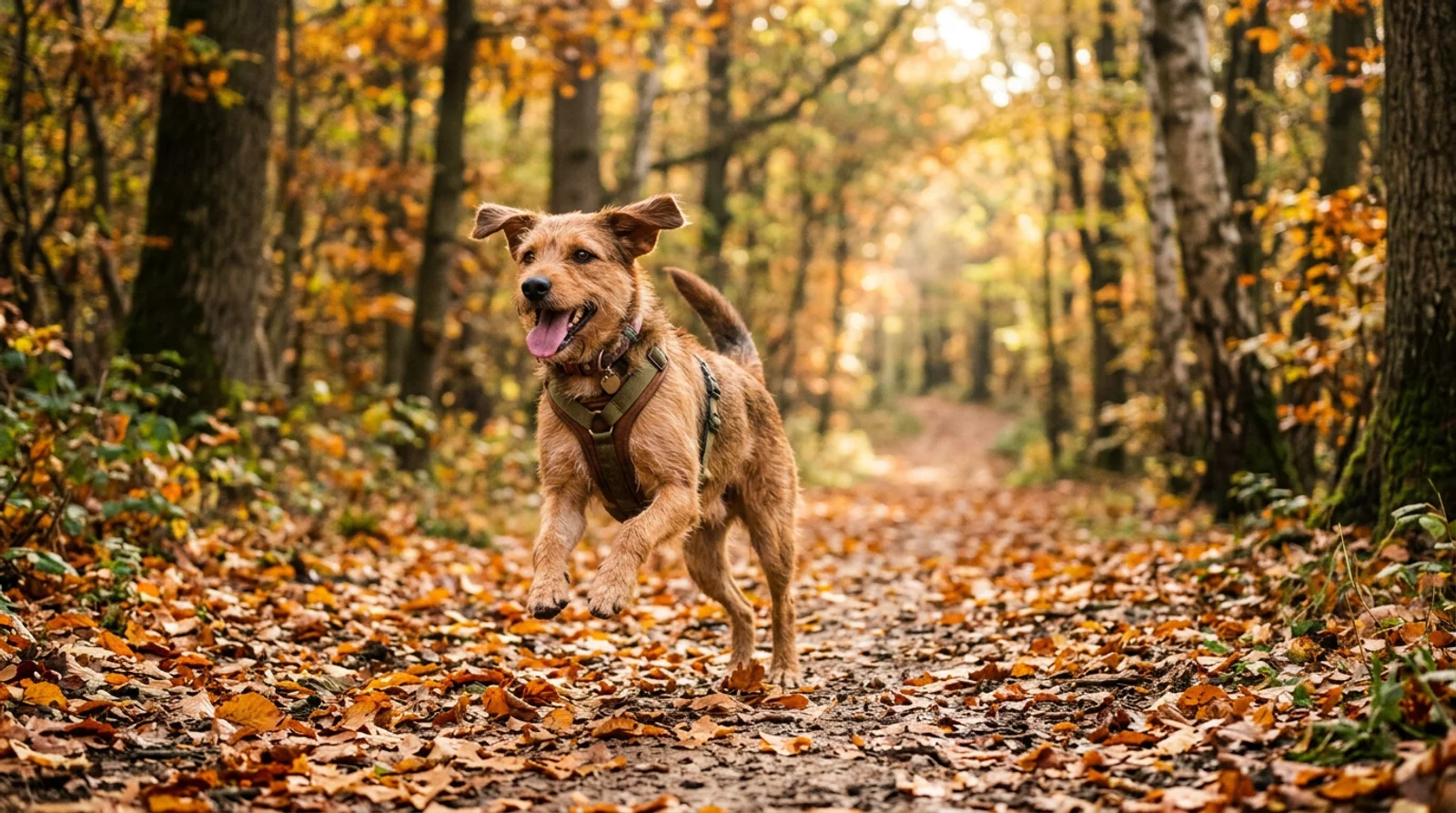
Working and sporting breeds were built to run, herd, or retrieve for hours. Border collies, Australian shepherds, Weimaraners, golden retrievers, and Labradors fall here. In our experience, these dogs need structured, vigorous exercise—not a slow neighbourhood amble. Think fetch, trail runs, agility, or swimming.
One of our team members has a 3-year-old Australian cattle dog who gets an hour-long off-leash hike every morning and still needs a round of tug and a puzzle feeder at night. Skip a day? The couch pays.
Moderate-Energy Breeds (45–60 minutes daily)
Beagles, cocker spaniels, boxers, and most terriers land here. They're athletic and curious but don't demand the relentless output of a working breed. Two brisk 20–30 minute walks plus some fetch and sniffing time usually does it.
These dogs are flexible. They'll happily join a long hike, but they'll also settle for a shorter outing if you're having a low-energy week.
Low-Energy Breeds (20–40 minutes daily)
Brachycephalic breeds (bulldogs, pugs, Frenchies), toy breeds (Cavalier King Charles spaniels, Pekingese), and many seniors fit here. They overheat quickly, tire faster, and frankly aren't interested in running a 5K.
Our studio dog, a 9-year-old English bulldog, gets two 15-minute walks and maybe five minutes of gentle play. More than that and he's panting hard and done. Respect the signal.
Giant Breeds: A Special Case
Great Danes, mastiffs, and Newfoundlands need less intense exercise than you'd think, especially as puppies. Their joints and growth plates are fragile. A 6-month-old Great Dane should not be jogging with you. Aim for multiple short, controlled walks and avoid high-impact activity until they're fully grown (18–24 months).
How Age Changes Exercise Needs
Puppies (8 Weeks to 12 Months)
The old rule holds: five minutes of exercise per month of age, twice a day. A 4-month-old puppy gets about 20 minutes, twice daily. This isn't about exhausting them—it's about protecting growing bones and joints.
Puppies tire quickly but recover fast. Short, frequent bursts work better than one long slog. And remember: everything is exercise to a puppy. Leash training, sniffing, meeting new people—it all counts.
What they need more than marathons? Mental stimulation for dogs. A 15-minute training session or snuffle mat wears out a puppy faster than a 30-minute walk.
Adult Dogs (1 to 7 Years)
This is peak exercise time. Use the breed guidelines above as your baseline, then adjust for the individual. Some Labs are couch potatoes by 5; others are still bouncing at 8.
Watch for signs your dog is getting enough: they settle calmly at home, sleep through the night, and aren't pestering you constantly. Under-exercised adults become destructive, anxious, or hyperactive.
Senior Dogs (7+ Years, Depending on Breed)
Giant breeds are seniors by 6; small breeds often stay spry past 10. Exercise needs drop, but movement remains critical for joint health, weight management, and mental sharpness.
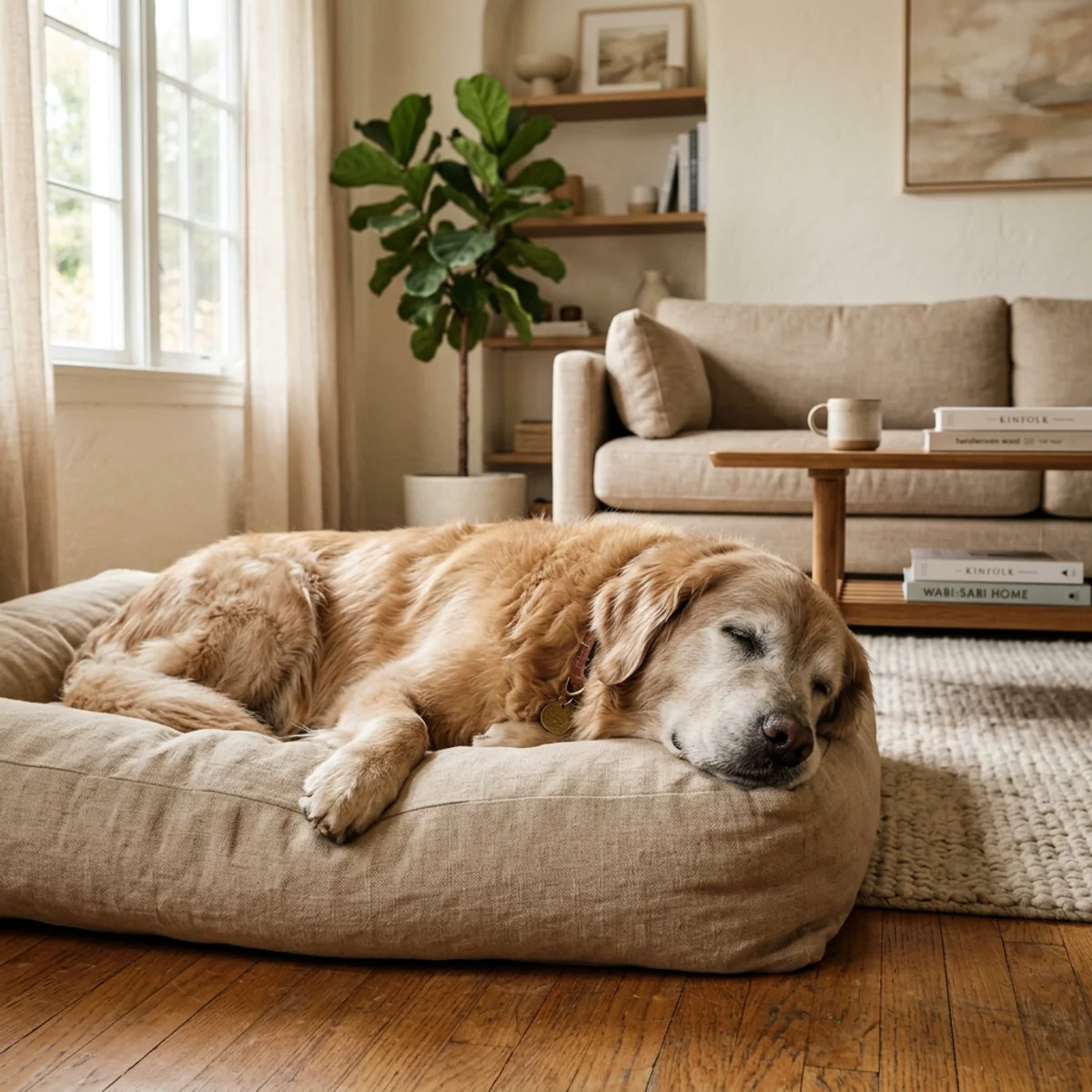
Our approach with older dogs: shorter walks, more often. Two 10-minute strolls are easier on stiff hips than one 30-minute push. Swap intensity for novelty—new routes, gentle sniffing walks, shallow-water swimming if they're game.
Arthritis and mobility issues are common. If your senior suddenly resists walks or lags behind, see your vet before assuming they're lazy.
How Often to Walk a Dog
At minimum, twice a day. Morning and evening. Even low-energy dogs benefit from the routine, the sniffing, and the chance to move their bowels.
High-energy dogs often need three outings—or two walks plus a dedicated play or training session. We know plenty of border collie and husky owners who do a morning run, a midday break, and an evening wind-down.
Can you skip a day? Occasionally, yes—especially if your dog is older or the weather is dangerous. But if you're regularly skipping walks because you're busy, your dog will let you know, and not in ways you'll enjoy.
What Counts as Exercise?
- Walks. The foundation. Leashed, ideally at a pace faster than a meander.
- Fetch and tug. High-intensity, short bursts. Great for high-energy dogs.
- Hiking and trail running. Excellent for athletic breeds; terrain adds difficulty.
- Swimming. Low-impact, full-body. Perfect for seniors or dogs with joint issues.
- Dog parks and play dates. Social exercise counts, but watch for over-arousal or bullying.
- Nose work and sniffing walks. Let your dog lead with their nose. It's mentally exhausting in the best way.
What doesn't count: leaving your dog in the yard alone. Most dogs won't exercise themselves—they'll just stand at the door waiting for you.
Mental Stimulation for Dogs: The Missing Piece
Physical exercise alone won't tire a smart, working-breed dog. A border collie can run for an hour and still be wired if their brain hasn't been engaged.
Mental enrichment is just as important as physical output, and it doesn't require much space or time:
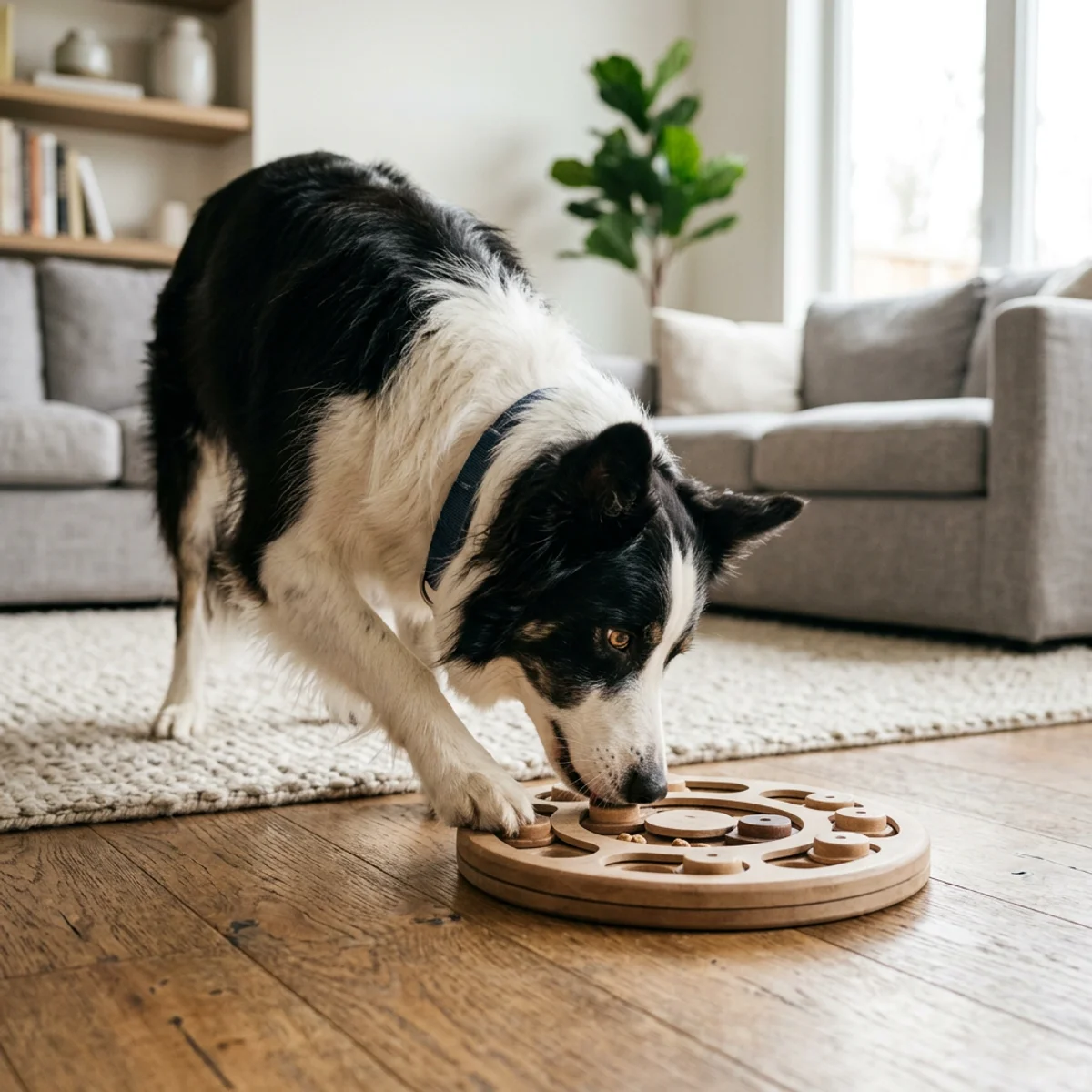
- Puzzle feeders and slow bowls. Make mealtime last 10–15 minutes instead of 30 seconds.
- Snuffle mats. Hide kibble in the fabric folds; dogs love the foraging.
- Training sessions. Teach a new trick, practice recalls, work on impulse control. Even five minutes helps.
- Scent games. Hide treats around the house or yard and let them hunt.
- Chew time. A good-quality chew (bully stick, yak cheese, safe bone) occupies the mouth and mind.
We've seen a 20-minute sniffy walk followed by a puzzle feeder settle a young German shepherd more effectively than an hour of fetch. For ideas on keeping indoor routines interesting, check out our indoor cat enrichment ideas—many translate beautifully to dogs.
Signs Your Dog Isn't Getting Enough Exercise
- Destructive behaviour. Chewing furniture, digging, shredding pillows.
- Hyperactivity indoors. Zooming, inability to settle, constant pestering.
- Excessive barking or whining.
- Weight gain. Especially in food-motivated breeds like Labs and beagles.
- Escape attempts. Digging under fences, bolting out doors.
- Attention-seeking behaviour. Pawing, nudging, dropping toys in your lap every three minutes.
Some of this overlaps with anxiety (which we've covered in our guide to calming dog anxiety naturally), but under-exercise is often the root cause.
Signs of Over-Exercising
Yes, it's possible—especially with young puppies, seniors, or during extreme weather.
- Limping or stiffness that lasts more than a few hours post-walk.
- Reluctance to move the next day.
- Excessive panting or difficulty catching their breath.
- Worn or bleeding paw pads.
- Disinterest in exercise. If your normally enthusiastic dog suddenly drags behind, rest them.
Puppies are particularly vulnerable. They'll play until they collapse, but their joints can't handle the load. Growth-plate injuries are serious. Err on the side of caution.
In Canadian winters, over-exercising in extreme cold is a real risk. We wrote a full breakdown in our winter care for dogs guide—check it for temperature thresholds and paw protection.
A Practical Daily Exercise Routine (That Actually Fits Your Life)
You don't need to be a marathon runner or own a farm. Here's a realistic framework:
For High-Energy Dogs
- Morning: 30–45 minute walk or run, off-leash if possible. Include fetch or recall practice.
- Midday (if possible): 10–15 minute break, even just to sniff and pee.
- Evening: 20–30 minute walk, then a training session or puzzle feeder at dinner.
For Moderate-Energy Dogs
- Morning: 20–30 minute walk.
- Evening: 20–30 minute walk, plus 10 minutes of play (fetch, tug) or a chew.
For Low-Energy or Senior Dogs
- Morning: 10–15 minute gentle walk.
- Evening: 10–15 minute walk.
- Bonus: A snuffle mat or light training session a few times a week.
On Busy Days
Sometimes life happens. If you can't do the full routine:
- Prioritize mental stimulation. A stuffed Kong or puzzle feeder buys you time.
- Do multiple short breaks instead of one long walk.
- Hire a dog walker or use doggy daycare occasionally—it's not a failure, it's smart management.
FAQ
How much exercise does a puppy need compared to an adult dog?
Puppies need far less than adults—about five minutes per month of age, twice daily. A 3-month-old puppy should get roughly 15 minutes of controlled activity, twice a day. Their joints and growth plates are still developing, so avoid long hikes, jogging, or repetitive high-impact play until they're fully grown.
Can I exercise my dog too much?
Yes. Over-exercising shows up as limping, reluctance to move, excessive panting, or worn paw pads. Puppies, seniors, and brachycephalic breeds are especially vulnerable. If your dog seems sore or uninterested in activity, scale back and consult your vet if it persists.
Do small dogs need less exercise than large dogs?
Not necessarily. Size doesn't always predict energy. A Jack Russell terrier (small) often needs more exercise than a Great Dane (giant). Breed purpose and individual temperament matter more than weight. That said, tiny legs do mean shorter strides—your Pomeranian might be working harder than your Labrador on the same walk.
What's the best exercise for older dogs with arthritis?
Short, frequent walks on soft surfaces (grass, dirt trails) are ideal. Swimming or hydrotherapy is excellent if your dog enjoys water—it's low-impact and engages muscles without stressing joints. Avoid stairs, jumping, and long runs on pavement. Always check with your vet about pain management and safe activity levels.
Build the Routine Your Dog Actually Needs
Most behaviour problems, weight issues, and restless nights trace back to a mismatch between what a dog needs and what they're getting. A 2-year-old Vizsla and a 10-year-old Maltese are not interchangeable.
Watch your dog. They'll tell you if they need more—or less. Adjust as they age, as seasons change, and as your schedule shifts. The goal isn't perfection; it's consistency and attention.
Start this week. Pick a realistic daily framework, track it for seven days, and see how your dog responds. We're willing to bet you'll notice a calmer, happier companion—and fewer chewed-up shoes.