Cat Stress Signs and How to Help: A Complete Guide
Cat Stress Signs and How to Help: A Complete Guide
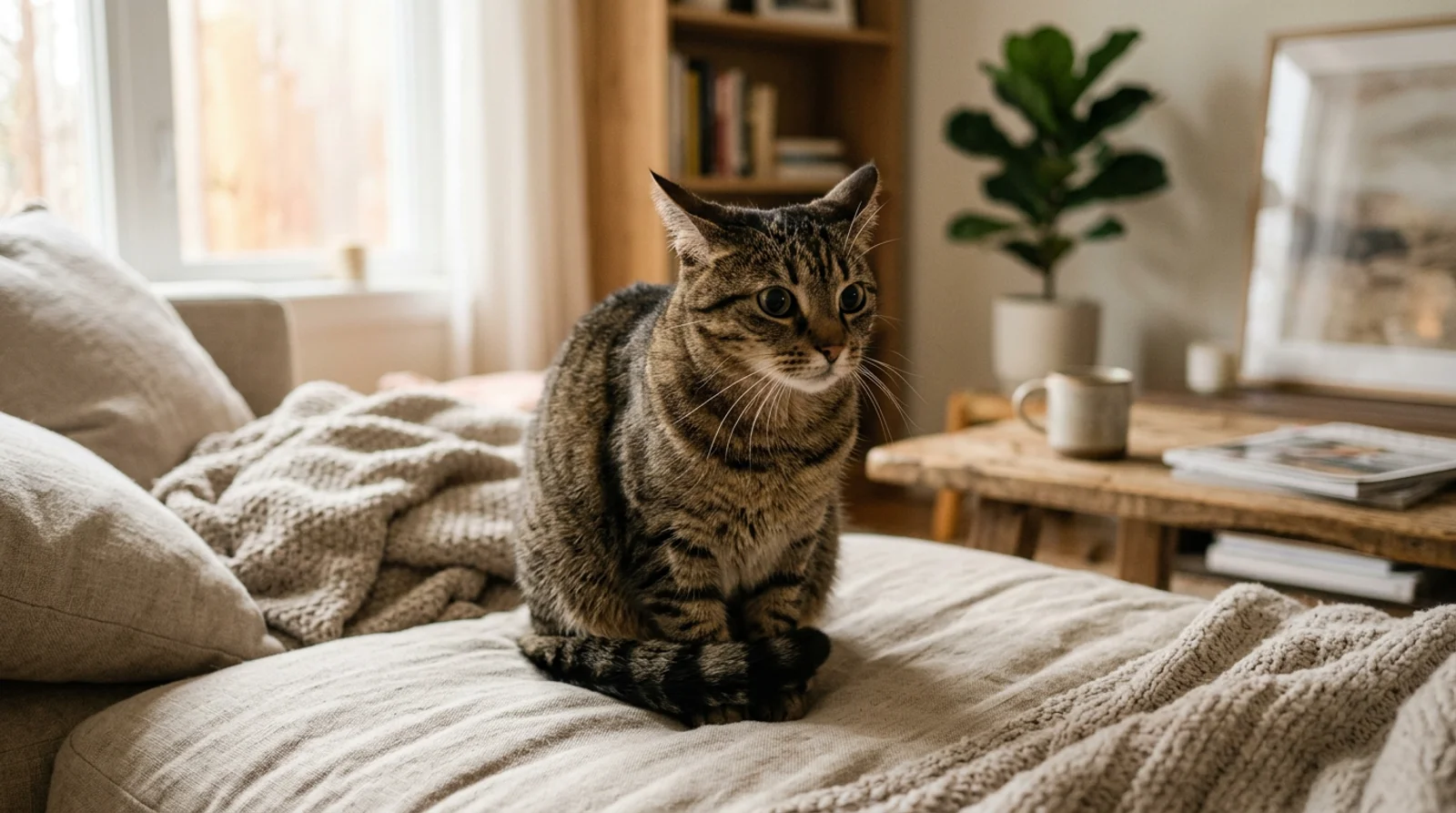
Your cat stopped eating breakfast yesterday. This morning, you found urine on the bathmat. She's been hiding under the bed for two days straight. These are cat stress signs—and cats are brilliant at concealing them until the problem is serious. Unlike dogs, who pace and whine and make their anxiety obvious, cats withdraw quietly, over-groom in secret, or simply stop using the litter box. By the time most of us notice, our cat has been struggling for days.
We've watched our own cats react to everything from a new sofa to construction noise three doors down. Stress in cats isn't always dramatic. It's the small, persistent shifts—the tabby who used to greet you at the door now hides behind the washing machine, the senior cat who suddenly won't share a room with her lifelong companion. This guide will help you spot the early warnings, figure out what's triggering them, and take concrete steps to help your cat feel secure again.
Important: If you notice any physical symptoms or significant behavioural changes in your cat, consult your veterinarian to rule out underlying medical conditions. Many stress symptoms overlap with serious illnesses that require professional diagnosis and treatment.
Stressed Cat Behavior: What to Watch For
Cats don't complain. They adjust, retreat, and endure—until they can't. Recognizing stressed cat behavior means noticing shifts in routine and personality, not waiting for a crisis.
Behavioral Changes That Signal Stress
Hiding and withdrawal. A cat who suddenly spends entire afternoons under the bed or wedged behind the bookshelf is telling you something. Occasional alone time is normal, but if your once-social orange tabby now avoids the kitchen entirely, stress is likely.
Aggression or irritability. Hissing at a housemate she's lived with for three years. Swatting when you reach to scratch her chin. Biting during play that used to be gentle. Stress lowers a cat's threshold for everything, and irritability is one of the first signs.
Litter box avoidance. Urinating on your duvet, in the bathtub, or in the corner of the spare room is one of the most common stress responses we see. Cats are fastidious. If yours is eliminating outside the box, she's either anxious or unwell. Rule out medical issues with your veterinarian first—urinary blockages (especially in male cats) are life-threatening emergencies requiring immediate veterinary care, and infections also need prompt treatment—then look at stressors.
Note: If your cat is straining to urinate, crying in the litter box, or making frequent trips with little to no urine output, this is a medical emergency requiring immediate veterinary attention, especially in male cats who are at higher risk for life-threatening urinary blockages.
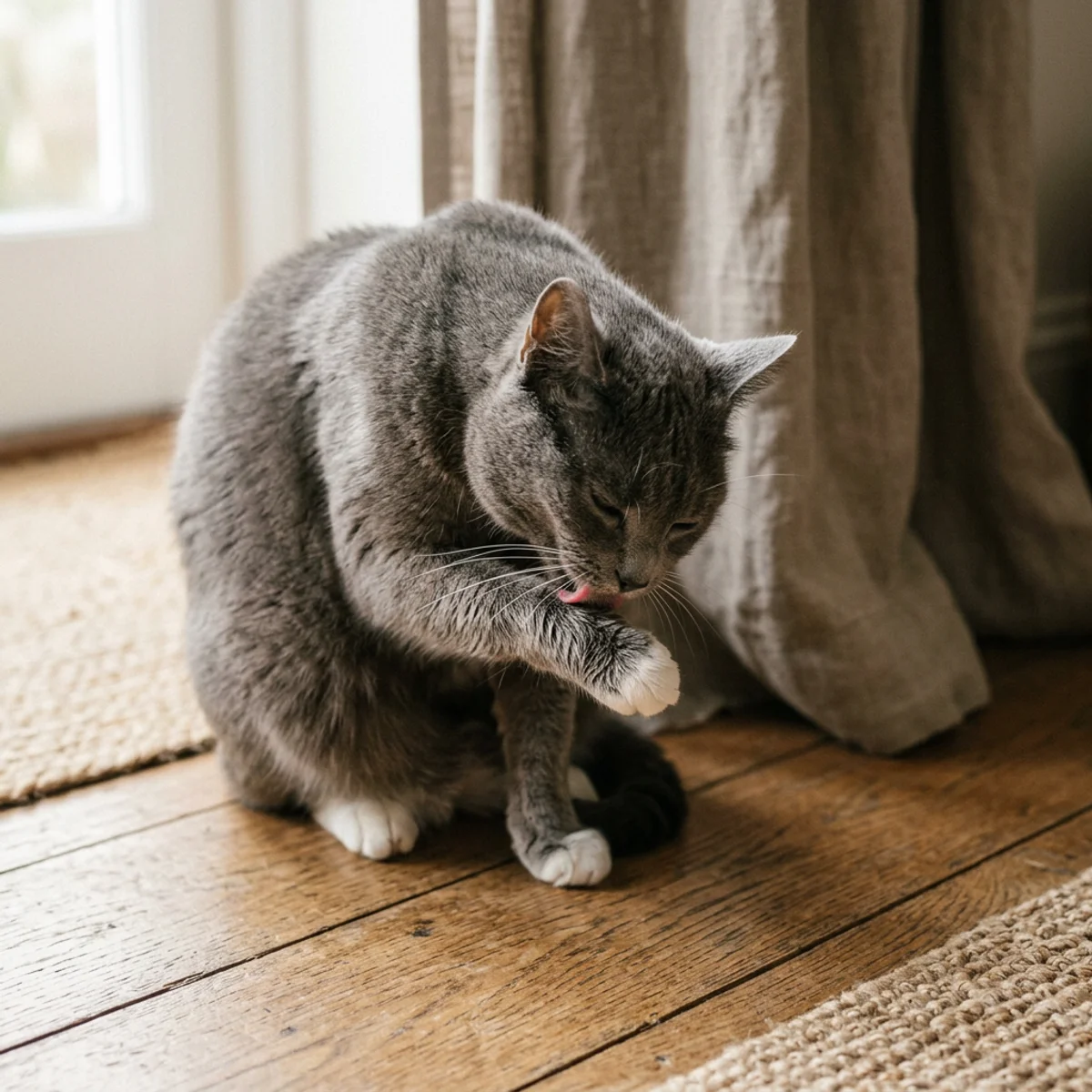
Over-grooming or under-grooming. A stressed cat may lick her belly or hind legs obsessively, creating bald patches or raw, inflamed skin. Some cats do the opposite and stop grooming altogether, leaving their coat matted and dull.
Changes in appetite. Refusing food for more than 24 hours is dangerous in cats—it can trigger hepatic lipidosis, a life-threatening liver condition. Contact your veterinarian immediately if your cat stops eating for 24 hours or longer. Stress can also drive some cats to overeat or beg constantly, especially if they're anxious about resource availability.
Increased vocalization. A normally quiet cat who starts yowling at 3 a.m. or meowing persistently during the day may be anxious, particularly if there's been a recent household change—a new baby, a partner moving in, a shift in your work schedule.
Physical Symptoms of Cat Anxiety
Stress doesn't stay purely behavioural. We've seen it show up as vomiting, diarrhoea, and upper respiratory flare-ups in cats with a history of herpesvirus. Chronic anxiety suppresses the immune system, leaving cats vulnerable to illness.
Watch for:
- Dilated pupils that stay large even in bright light
- Ears pinned back or rotated sideways
- Tail tucked tight or thrashing—gentle swishing signals curiosity; a whipping tail means agitation
- Excessive shedding beyond normal seasonal cycles
- Rapid breathing or panting (cats should almost never pant unless overheated or in severe distress)
- Frequent vomiting or soft stools with no change in diet
If you notice physical symptoms, contact your veterinarian. Stress and illness often overlap, and you need to rule out hyperthyroidism, diabetes, inflammatory bowel disease, and other conditions that mimic anxiety.
Common Causes of Cat Stress
Understanding the trigger helps you address the root cause instead of just soothing symptoms. Cats are territorial creatures of habit. Anything that disrupts their sense of control—over their environment, their resources, their routine—can spark anxiety.
Environmental Changes
Moving or renovations. Even rearranging the living room can unsettle a cat. One of our team members watched her 14-year-old tortie refuse to eat for two days after she swapped the sofa and armchair.
New people or pets. Introducing a new cat to your home requires gradual, scent-based steps. Rushed introductions—bringing a new kitten home and expecting everyone to sort it out—are one of the most common stressors we hear about.
Loud noises. Construction, fireworks, thunderstorms, or even a new appliance can send a sensitive cat into hiding. We live in a country where winter storms and holiday gatherings are woven into the calendar, and both can rattle a nervous feline.
Social Stressors
Conflict with other pets. Even cats who've coexisted peacefully for years can develop tension. Resource guarding around food bowls, litter boxes, or a favourite sunny perch often flies under the radar until one cat starts urinating on the bed.
Lack of vertical space. Cats feel safest when they can observe from above. In a multi-cat household without enough cat trees, wall shelves, or high furniture, competition for territory intensifies and stress escalates.
Over-handling. Some cats tolerate being picked up and carried; many don't. Forcing affection on a cat who prefers to approach you on her own terms is a low-grade, chronic stressor.
Routine Disruptions
Cats thrive on predictability. A change in your work schedule, a new baby, switching from wet to dry food, or even feeding 30 minutes later than usual can trigger anxiety. We've watched cats refuse breakfast simply because their person started working from the office instead of home.
How to Calm a Stressed Cat
Once you've identified the stressor, you can take deliberate steps to reduce cat stress. There's no universal solution—what soothes a confident Bengal might overwhelm a timid domestic shorthair—but these strategies form the foundation.
Create Safe Spaces
Every cat needs at least one spot where she feels completely secure. Not just a soft bed, but a location she can retreat to without being bothered by children, other pets, or foot traffic.
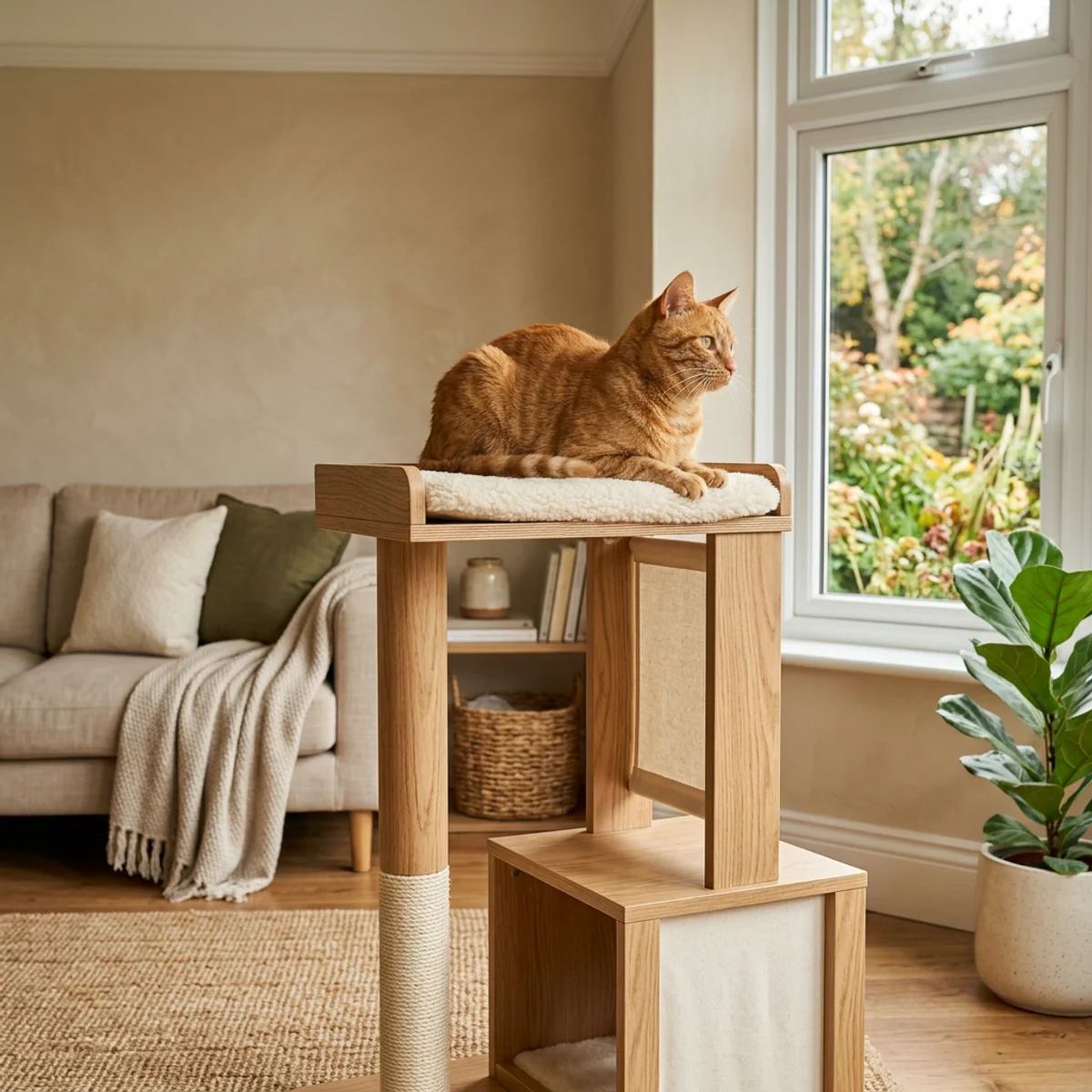
Elevated perches are essential. A tall cat tree near a window gives your cat control and a view. In small spaces, a single wall-mounted shelf can make a measurable difference.
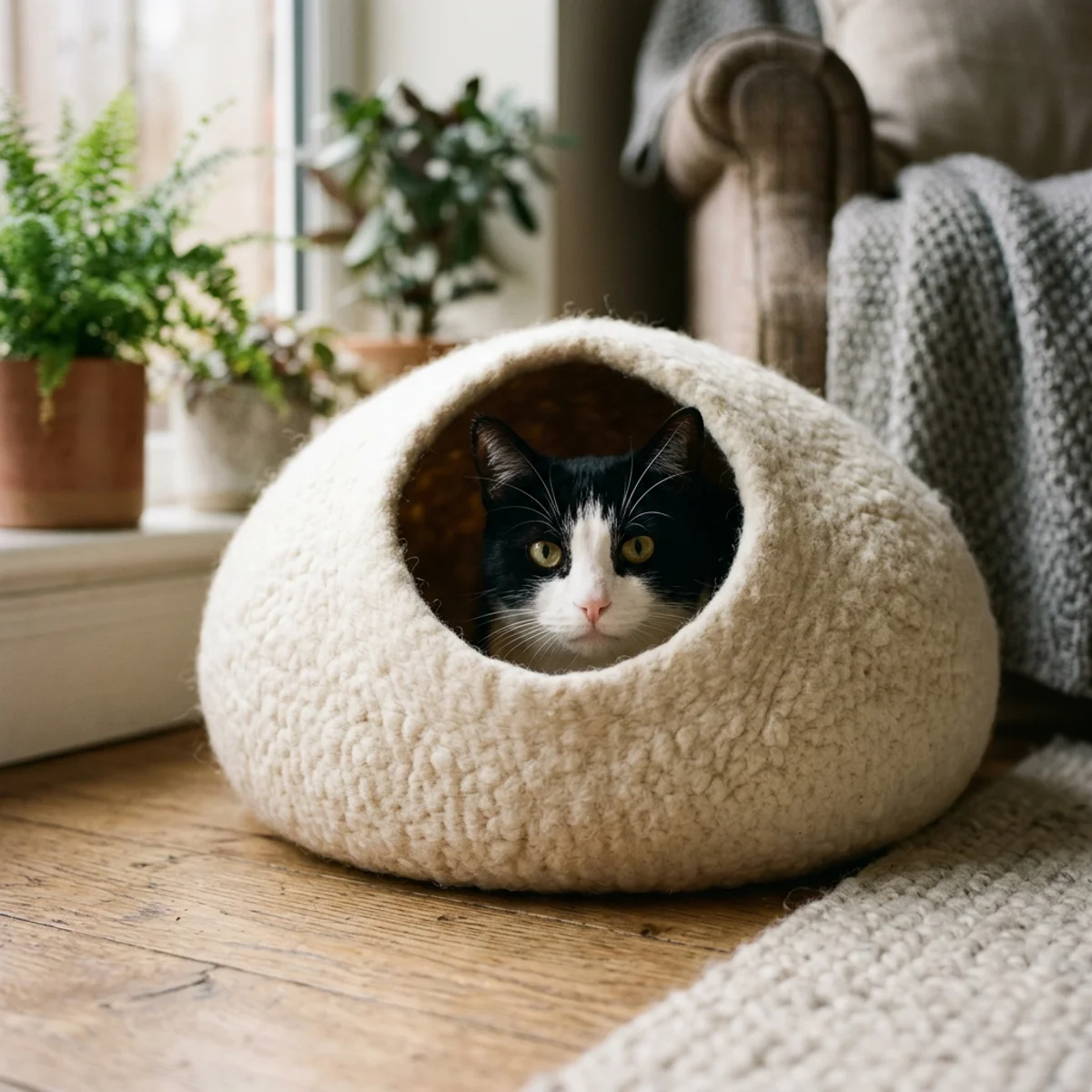
Covered hideaways—enclosed cat beds, a cardboard box in a quiet closet, a tent-style bed in the corner of your bedroom—offer darkness and privacy. Stressed cats gravitate toward enclosed spaces where they can monitor one entrance and feel protected.
Enrich the Environment
Boredom and understimulation often look like stress. A cat with nothing to do will fixate on minor changes, conflicts, or perceived threats. We've written extensively about indoor cat enrichment—rotating toys, puzzle feeders, window perches, and daily play sessions genuinely help.
Play therapy is particularly effective for anxious cats. Ten minutes of interactive wand-toy play before bed burns off nervous energy and resets their mood. Aim for a natural hunt-catch-eat-groom-sleep cycle: vigorous play, a small meal, grooming time, then sleep.
Scent enrichment is underrated. Rub a soft cloth gently on your cat's cheeks, where her scent glands are concentrated, then dab it on doorways, furniture corners, and new objects. Familiar scent markers help cats feel the space belongs to them.
Maintain Predictable Routines
Feed at the same times every day. Play before breakfast and dinner. Scoop the litter box at consistent intervals. Even small rituals—making coffee in the morning, sitting in the same reading chair at night—help anxious cats relax because they know what comes next.
Use Calming Aids Thoughtfully
We're cautious about products that promise instant calm, but some tools genuinely take the edge off.
Synthetic pheromone diffusers (such as Feliway) mimic the facial pheromones cats deposit when they feel safe. They're not magic, but in our experience they help during moves, introductions, or recovery from a vet visit.
Calming supplements containing L-theanine, tryptophan, or colostrum can support anxious cats. Always check with your veterinarian before starting any supplement, particularly if your cat takes medication or has a health condition.
Medication. For severe, chronic anxiety—especially cases involving aggression, self-mutilation, or compulsive behaviour—your vet may prescribe anti-anxiety medication. This isn't defeat. It's a tool that makes behavioural modification and environmental changes possible.
Gradual Desensitization
If the stressor is unavoidable—a new baby, a necessary move, a housemate's dog—desensitization helps. Introduce the trigger at very low intensity and reward calm behaviour. Play recordings of baby sounds at barely audible volume while offering treats, then gradually increase the volume over days or weeks.
This takes patience. If your cat seems overwhelmed at any stage, dial back and slow down.
Reduce Cat Stress During Major Life Changes
Some situations demand extra planning and care.
Moving House
Before the move: Set up a quiet room—ideally a bathroom or small bedroom—with your cat's bed, litter box, water, and food. Keep her there on moving day so she's not dodging movers, open doors, and strangers.
During the move: Transport your cat in a secure carrier lined with a familiar towel or worn T-shirt. Never sedate a cat for travel without direct veterinary guidance. Some sedatives can be dangerous during transport and may increase risks rather than reduce stress.
After the move: Unpack one room completely—your bedroom is often best—and let your cat explore it for a few days before opening access to the rest of the house. Rub her cheeks with a soft cloth and dab it on furniture legs and door frames to help her claim the new territory.
Adding a New Pet
We've covered this in detail in our guide to introducing a new cat. The short version: slow, scent-based introductions through a closed door, then visual contact through a baby gate, then supervised time in the same room. Rushing is the single biggest mistake.
Vet Visits and Travel
Leave the carrier out year-round so it's not a harbinger of doom. Toss treats inside daily. Spray the interior with synthetic pheromones 15 minutes before you need to use it. On the way to the clinic, drape a light towel over the carrier to reduce visual stimulation and keep her calm.
For more strategies around managing anxious moments, our article on calming dog anxiety naturally includes techniques—routine, environment, and gradual exposure—that translate beautifully to cats.
When to Seek Veterinary Help
Some cat anxiety symptoms require immediate professional attention:
- Not eating for 24 hours or longer
- Straining in the litter box—this can signal a life-threatening urinary blockage, especially in male cats
- Open wounds or raw skin from over-grooming
- Aggression that escalates or seems unpredictable
- Sudden, severe behaviour changes with no obvious trigger
Your veterinarian can rule out medical causes, discuss medication if appropriate, and refer you to a veterinary behaviourist for complex cases. Stress isn't "just behavioural." It has real, measurable health consequences, and early intervention matters.
FAQ
How long does it take for a stressed cat to calm down?
It depends entirely on the cat and the trigger. A cat startled by a vacuum cleaner may settle in 30 minutes. A cat adjusting to a new home may take two to three weeks. In our experience, environmental changes typically require 7–14 days of careful management before you see meaningful improvement. If your cat shows no progress after three weeks, consult your vet.
Can stress make a cat sick?
Absolutely. Chronic stress weakens the immune system and can trigger or worsen feline idiopathic cystitis (painful bladder inflammation), upper respiratory infections, and gastrointestinal upset. We've seen cats develop stress-induced diarrhoea within 24 hours of a household disruption.
Do all cats show the same stress signs?
No. Personality, breed, early socialisation, and past experience all shape how a cat expresses anxiety. A bold, social cat might become clingy and vocal. A shy, independent cat might hide and refuse interaction. You know your cat's baseline—any persistent deviation is worth investigating.
Should I comfort a stressed cat or leave them alone?
Follow their lead. If they seek you out, offer calm, quiet companionship—sit nearby and let them come to you instead of scooping them up. If they retreat, respect that space. Forcing interaction when a cat wants solitude usually backfires and increases stress.
Final Thoughts
Cats don't ask for help the way dogs do, but they communicate constantly if we know how to listen. A skipped meal, a new hiding spot, a patch of missing fur—these are your cat telling you something isn't right. The sooner you notice and respond, the easier it is to restore her sense of safety.
You don't need to overhaul your entire home or spend hundreds of dollars. Often, the most effective interventions are the simplest: a predictable schedule, a quiet refuge, 10 minutes of play each evening, and patience. If you're unsure where to start, pick one small change—add a perch, create a calm-down corner, establish a bedtime play ritual—and observe how your cat responds.
Our own cats have taught us that managing stress isn't a one-time fix. It's an ongoing conversation, a willingness to adjust and adapt as their needs shift. When you make that effort, you're not just reducing anxiety—you're deepening the trust between you.
Browse our curated selection of thoughtfully designed cat essentials, from elevated feeding stations to cosy hideaways, and build an environment where your cat can truly thrive.