Senior Cat Care Guide: Health, Comfort & Lifestyle Tips
Senior Cat Care Guide: Health, Comfort & Lifestyle Tips
Last week, one of our team members watched her fourteen-year-old tabby, Mabel, pause halfway up the stairs—something she'd bounded up for a decade without hesitation. That moment is the quiet wake-up call: senior cat care means rethinking everything from litter box height to where you place the water bowl. Cats age gracefully and subtly, masking discomfort until small adjustments at home make an enormous difference in their daily comfort and health.
Most cats enter their senior years around age eleven, and many thrive well into their late teens with attentive care. The goal isn't simply to add years but to preserve quality of life—mobility, appetite, social connection, and freedom from pain. Here's what we've learned from living with older cats and working with hundreds of pet parents navigating this stage.
Understanding Senior Cat Health
Aging cats face a predictable cluster of changes. Metabolism slows. Kidney function declines. Joint cartilage thins, leading to stiffness. Eyesight and hearing fade. Immune response weakens, making infections harder to shake.
The tricky part? Cats are exceptional at hiding illness. A cat who stops jumping onto the couch may not be "slowing down naturally"—she might be in pain. Weight loss can signal anything from dental disease to hyperthyroidism to diabetes. Because the signs are so subtle, senior cat health hinges on vigilance at home and regular veterinary check-ups.
We recommend wellness exams every six months once your cat passes ten years old. Blood work—a senior panel checking kidney values, thyroid hormone, glucose, and liver enzymes—catches problems early, often before symptoms appear. Urine testing reveals kidney disease and diabetes. Blood pressure screening detects hypertension, common in older cats and linked to kidney disease and hyperthyroidism.
Watch for these red flags at home:
- Litter box accidents or straining: kidney disease, diabetes, arthritis making box entry painful, or cognitive decline.
- Weight loss despite normal appetite: hyperthyroidism, diabetes, or intestinal disease.
- Increased thirst and urination: kidney disease or diabetes.
- Reduced grooming or matted fur: arthritis limiting flexibility, dental pain, or general malaise.
- Hiding, irritability, or vocalization at night: pain, cognitive dysfunction, or sensory loss.
- Hesitation before jumping, limping, or stiffness after rest: arthritis.
If you notice any of these, book a vet visit promptly. Early intervention—medication, diet change, pain management—often reverses or stabilizes the issue.
Caring for Older Cats: Daily Comfort Adjustments
Small environmental tweaks deliver surprising improvements in an older cat's daily life. Start by auditing your home from a stiff, achy cat's perspective.
Litter Box Accessibility
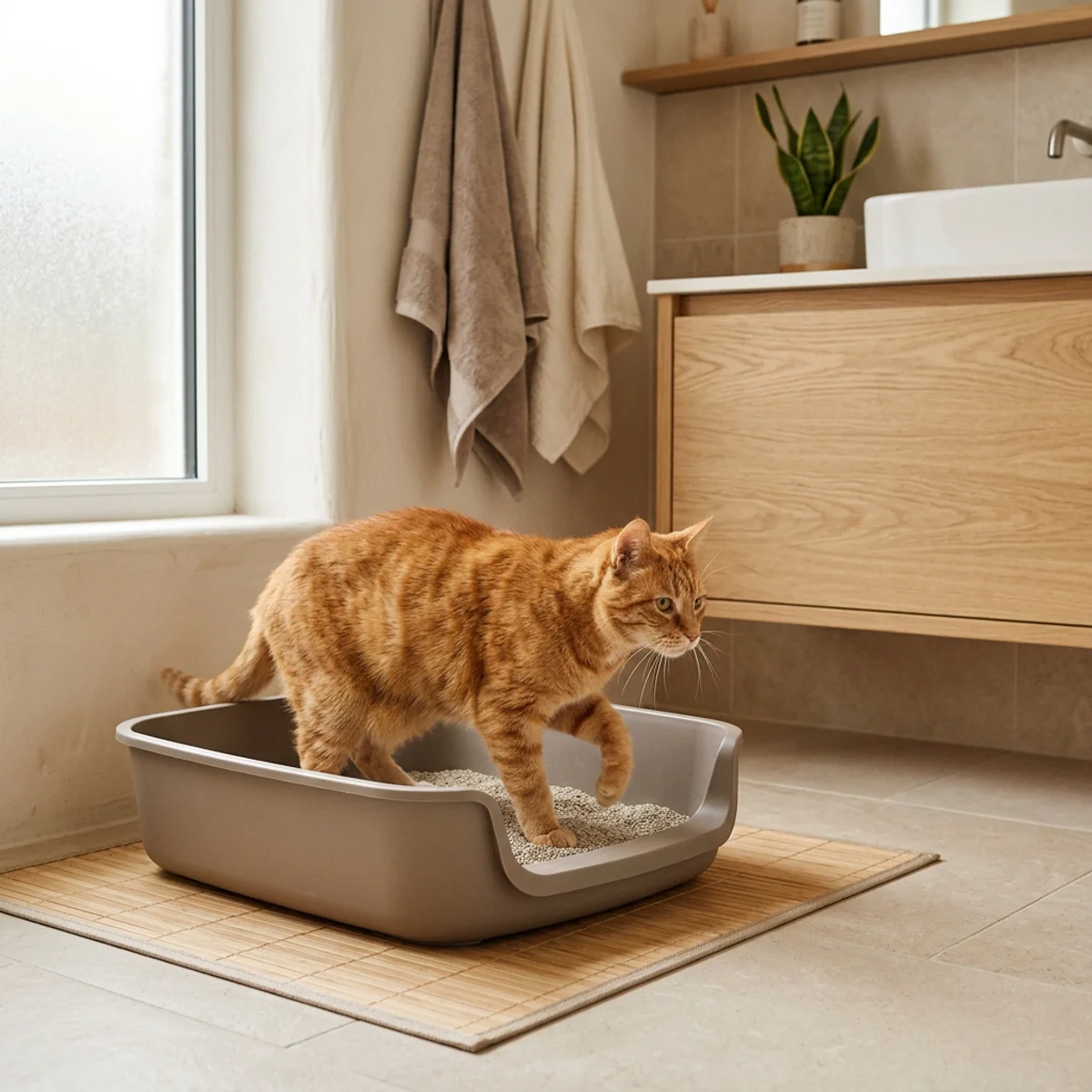
Arthritis makes high-sided boxes difficult or painful to enter. Cats who associate the box with pain will eliminate elsewhere. Switch to a box with at least one low-entry side—10 cm or less—or cut down one wall of your existing box. Place boxes on every floor of your home so your cat never has to navigate stairs in a hurry.
If accidents happen near the box, your cat is trying. She just can't make it in time or over the rim. We've seen this resolve immediately after switching to a shallow tray. For more litter box fundamentals, see our guide on how to choose the right litter box size and type.
Ramps, Steps, and Surfaces
If your cat loves a window perch or sleeping on your bed, add a carpeted ramp or pet stairs. Choose a gentle incline—not steep—and a textured surface for grip. Some cats adapt instantly; others need a few days and a trail of treats.
Place non-slip mats under food bowls and on slippery tile or hardwood near favourite nap spots. Older cats lose confidence on surfaces where their paws slide.
Warmth and Bedding
Arthritic joints stiffen in cold weather. Senior cats seek out warm spots obsessively—sunny patches, heating vents, your laptop. Offer a heated pet bed (the low-wattage kind with a removable, washable cover) or a self-warming mat lined with thermal fleece. Position beds away from drafts and at floor level if jumping is difficult.
Orthopedic foam matters. A thin cushion on a hard floor offers no joint relief. Look for memory foam or egg-crate foam at least 5 cm thick. Washable covers are non-negotiable because senior cats occasionally have litter box or grooming mishaps.
Grooming Assistance
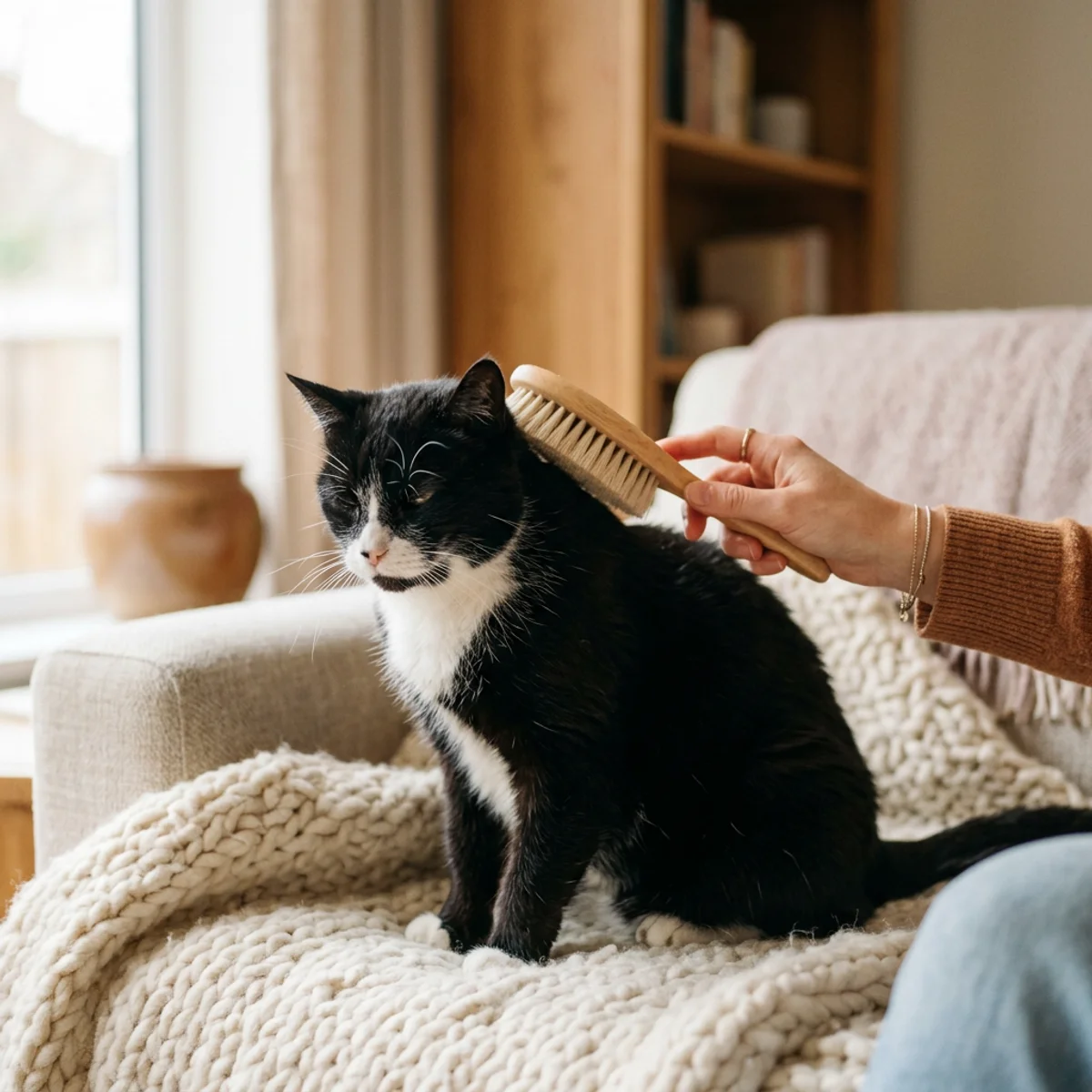
Cats with arthritis can't twist to groom their hindquarters or the base of the tail. Mats form quickly, pulling on skin and causing discomfort. Brush your senior cat daily—a slicker brush for long fur, a rubber curry for short coats. Pay attention to the lower back, behind the ears, and under the chin.
If mats are already present, don't yank. Use a mat splitter or book a professional grooming session. For a complete grooming approach, our cat grooming routine guide walks through the full process.
Trim claws every three to four weeks. Older cats shed the outer sheath less efficiently, and overgrown claws curl into paw pads or snag on fabric. If your cat resists, our article on how to trim cat nails safely offers low-stress techniques.
Diet and Nutrition for Aging Cats
Senior cats need more protein, not less, to preserve lean muscle mass. Many commercial "senior" diets actually reduce protein and increase carbohydrate fillers—the opposite of what an obligate carnivore requires. Look for foods with named meat as the first ingredient (chicken, turkey, salmon) and at least 35–40% protein on a dry-matter basis.
Wet food is your ally. It delivers hydration (critical for aging kidneys), is easier to chew for cats with dental pain, and typically contains more protein and fewer carbs than dry kibble. We feed our senior cats a mix: mostly wet, with a small amount of high-quality dry for dental texture and convenience.
If your cat has been diagnosed with kidney disease, your vet will recommend a prescription renal diet—lower phosphorus, controlled protein. These diets genuinely extend life and improve quality when kidney values are elevated. If your cat refuses the prescription food, work with your vet to find a palatable alternative or flavour enhancer. Malnutrition is worse than an imperfect diet.
Managing Weight
Both extremes—obesity and unintended weight loss—are common in seniors. Overweight cats face higher arthritis pain and diabetes risk. Underweight cats lose muscle, weakening immunity and mobility.
Weigh your cat monthly on a home scale (weigh yourself, then yourself holding the cat, and subtract). A 5 kg cat losing 250 g in a month is significant. If weight drops, rule out illness first, then increase calorie density with kitten food, high-calorie supplements, or warming food to boost aroma and appetite.
For weight loss in an overweight senior, go slowly—no more than 1–2% body weight per week. Rapid weight loss in cats triggers hepatic lipidosis, a life-threatening liver condition. Our cat weight management guide covers safe weight-loss strategies in detail.
Hydration
Dehydration stresses aging kidneys. Offer multiple water sources: bowls on every floor, a cat water fountain (the sound and movement encourage drinking—details in our cat water fountain guide), and wet food. Some cats prefer wide, shallow bowls where whiskers don't touch the sides. Refresh water daily.
Elderly Cat Comfort: Enrichment and Interaction
Retirement doesn't mean boredom. Senior cats still crave mental stimulation and play—just at a gentler pace.
Swap high-intensity laser pointers for slow-moving wand toys. A feather dragged along the floor mimics prey without demanding Olympic leaps. Puzzle feeders and snuffle mats engage the brain during mealtime. For more ideas, explore our indoor cat enrichment guide.
Maintain routine. Cats are creatures of habit, and seniors especially find comfort in predictable meal times, play sessions, and your presence. Disruptions—moves, new pets, schedule changes—can trigger stress and behavioural issues. If you must introduce a new animal, move slowly and provide escape routes and high perches (or low, accessible hideaways if jumping is hard). Our article on introducing a new cat to your home applies equally to protecting a senior resident cat.
Cognitive dysfunction syndrome (CDS)—feline dementia—affects many cats over fifteen. Signs include disorientation, night vocalization, forgetting litter box location, and altered sleep-wake cycles. Night lights help cats navigate in the dark. Stick to a calm evening routine. Some vets prescribe supplements (omega-3 fatty acids, SAMe, antioxidants) or medications that may slow progression. There's no cure, but environmental stability and patience ease anxiety.
Arthritis and Pain Management
Arthritis is nearly universal in senior cats, though severity varies. Because cats mask pain, you'll rarely see limping. Instead, watch for behaviour changes: reluctance to jump, sleeping in new (lower) spots, less interaction, or aggression when touched.
Your vet can confirm arthritis through physical exam and X-rays. Treatment is multimodal:
- NSAIDs: Meloxicam and robenacoxib are the most common feline-safe non-steroidal anti-inflammatories in Canada, given at very low doses. They reduce pain and inflammation but require bloodwork monitoring because of kidney and liver risks.
- Gabapentin: An anti-seizure drug that also treats nerve pain. Well tolerated in cats and helpful for chronic arthritis discomfort.
- Joint supplements: Glucosamine, chondroitin, and omega-3 fatty acids (from fish oil) support cartilage health. Evidence is mixed, but many owners and vets report benefit with consistent, long-term use.
- Adequan injections: Polysulfated glycosaminoglycan injections that may slow cartilage breakdown. Administered by your vet, typically in a loading series then maintenance doses.
- Laser therapy and acupuncture: Some veterinary clinics offer these drug-free modalities for pain relief.
Never give your cat acetaminophen (Tylenol), ibuprofen (Advil), or aspirin. All are toxic to cats. Always consult your vet before starting any pain medication or supplement.
Environmental management—ramps, low boxes, soft bedding, warmth—is as important as medication. Pain relief and accessibility together restore dignity and comfort.
Veterinary Care and Monitoring
Beyond the six-month wellness exams, stay alert at home. Keep a notebook or phone note tracking weight, appetite, water intake, litter box habits, and activity level. Patterns emerge over weeks that you might miss day to day.
Dental disease is rampant in senior cats and a source of hidden pain. Bad breath, drooling, pawing at the mouth, or eating on one side signal trouble. Professional dental cleaning under anesthesia—yes, even in a senior cat—removes tartar and infected teeth, often transforming appetite and behaviour overnight. Modern anesthesia protocols and pre-anesthetic bloodwork make the procedure safe for most older cats. Discuss risks and benefits with your vet, but don't assume age alone disqualifies your cat.
If your cat has a chronic condition (kidney disease, hyperthyroidism, diabetes), follow your vet's monitoring schedule religiously. These diseases are manageable with medication, diet, and regular blood tests, but they progress if neglected.
FAQ
At what age is a cat considered a senior?
Most veterinarians classify cats as senior starting at eleven years old and geriatric at fifteen. However, individual cats age at different rates depending on genetics, diet, and health history. Some twelve-year-olds act like kittens; others show age-related changes earlier.
How can I tell if my senior cat is in pain?
Cats hide pain instinctively. Look for subtle changes: reluctance to jump or climb, sleeping in new locations (especially lower or warmer spots), reduced grooming, changes in litter box use, irritability when touched, decreased appetite, or withdrawal from family interaction. Any behaviour change warrants a vet visit.
Should I switch to a senior cat food?
Not automatically. Many commercial senior diets are lower in protein, which aging cats actually need more of to maintain muscle. Focus on high-quality, high-protein wet food unless your cat has a specific health condition (like kidney disease) requiring a prescription diet. Always transition foods gradually over seven to ten days.
How often should senior cats see the vet?
Every six months. Senior cats' health can shift rapidly, and early detection of kidney disease, hyperthyroidism, diabetes, and dental disease dramatically improves outcomes. Wellness exams should include a physical exam, bloodwork, urinalysis, and blood pressure check.
A Gentle Close
The senior years ask more of us—closer observation, environmental creativity, and frequent vet visits—but they also offer quieter, deeper companionship. Your cat has spent a decade or more learning your rhythms, and now it's your turn to read hers. A ramp here, a heated bed there, and a watchful eye can stretch her comfortable, engaged years far beyond what we once thought possible.
If you're setting up a more accessible, senior-friendly home, our guides on small-space solutions and organizing pet supplies can help you streamline the essentials without cluttering your space. Your senior cat has earned a home that works as hard for her as she's worked to enchant you.