How to Reduce Pet Odour in Your Home: Practical Tips & Products
How to Reduce Pet Odour in Your Home: Practical Tips & Products
Last Tuesday, a friend stopped by our studio and asked, genuinely surprised, whether we actually had pets on-site. We do—three dogs and two cats rotate through during the week. Her confusion? She couldn't smell them.
To reduce pet odour in home environments, focus on three things: interrupt odour at its source (litter boxes, bedding, accidents), circulate and filter air continuously, and clean fabrics and surfaces on a schedule that matches your pet's shedding and activity level. Most pet odour isn't inevitable. It's just unmanaged.
Where Pet Odour Actually Comes From
Before you buy another candle, understand what you're fighting. Pet odour is rarely the animal itself when they're healthy and groomed. It's urine-soaked substrate in a litter box that wasn't scooped yesterday, dander and saliva dried into sofa fibres, or anal-gland secretions on bedding that's overdue for a wash.
Dogs and cats also carry outdoor debris—mud, lawn chemicals, street salt—into the house on their paws and coat. A 30-kg Labrador tracking through your hallway twice a day deposits more organic material than most people realize. That's why homes with large, active dogs often smell more than homes with a sedentary senior cat, even though cats use litter boxes.
Cats add their own challenges. Litter dust becomes airborne every time they dig, and urine compounds (especially in unaltered males) are volatile and stubborn. If a cat has ever urinated outside the box—on grout, subflooring, or inside a closet—that spot will reek until you treat it enzymatically, not just scrub it with soap.
Daily and Weekly Routines for Pet Odour Removal
Consistency beats intensity. We'd rather scoop litter twice a day, every day, than deep-clean the whole house monthly and live with baseline funk in between.
Litter-Box Maintenance
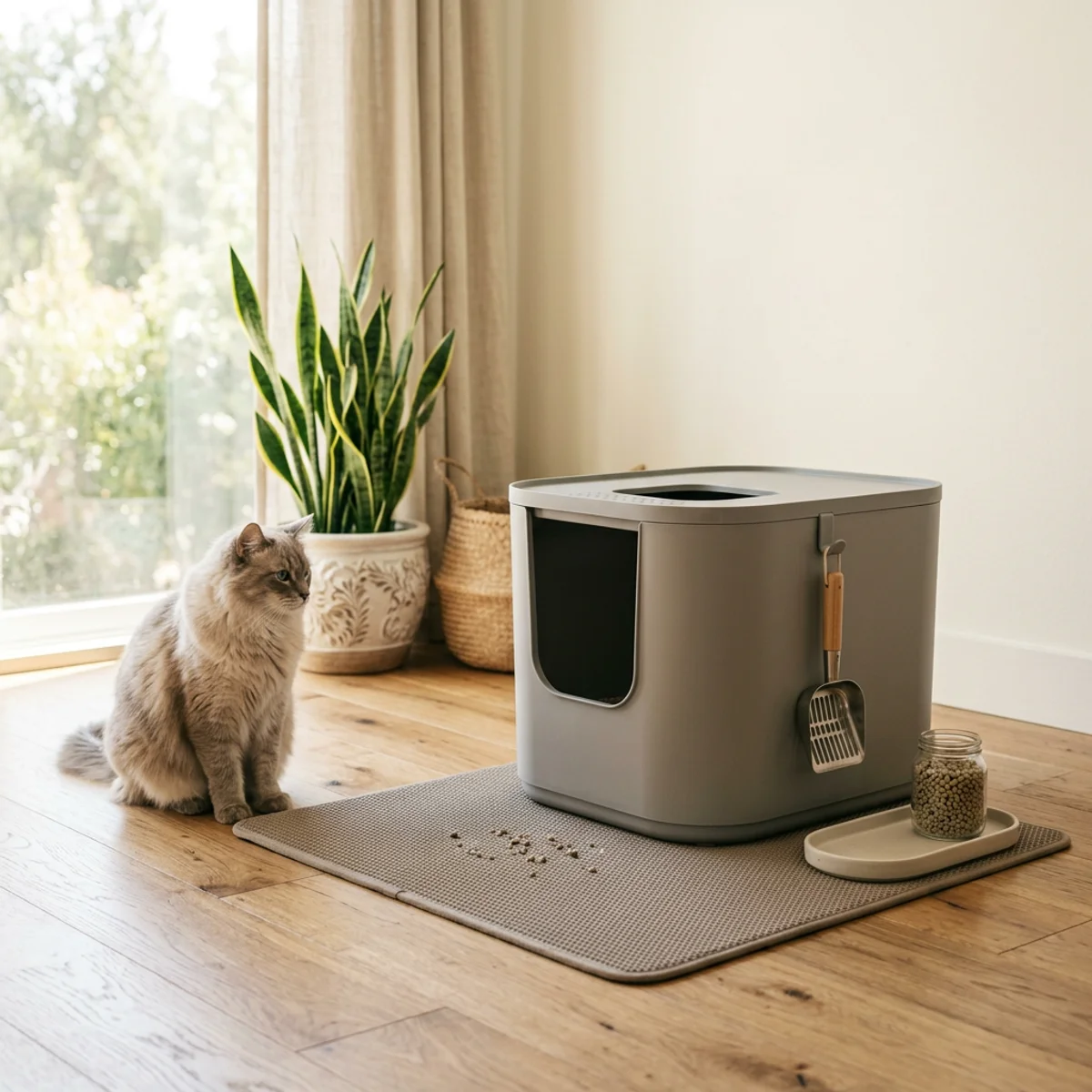
Scoop every single day, twice if you have multiple cats or a small apartment. We see this skipped more than any other task, and it shows. Clumping litter makes daily scooping fast, but it still needs a full dump and wash every two to three weeks. Wash the box itself with unscented dish soap and hot water—never bleach or strong fragrances, which can deter cats from using it.
Place a litter mat outside the box to catch tracking. Shake or vacuum the mat daily. If your home still smells like litter despite diligent scooping, the box might be too small, too few in number (you need one per cat, plus one extra), or the litter itself is low-quality and not trapping ammonia. For more specifics on setup, see our litter box setup and maintenance guide.
Bedding and Fabric
Wash dog beds, blankets, and removable cushion covers weekly—bi-weekly at the absolute minimum. Use hot water (check care labels first) and an extra rinse cycle to flush out dander and oils. We add 125 mL of white vinegar to the rinse; it's a natural deodorizer and doesn't leave a scent once dry.
If you have a large-breed dog and a bed without a removable cover, vacuum it thoroughly twice a week and spot-clean any drool or dirt immediately. Over time, even the best beds absorb odour and need replacing. Our rule of thumb: if it smells even after washing, it's done. More on keeping beds fresh in our article on how to clean pet beds.
Floors and Surfaces
Vacuum or sweep high-traffic areas daily if you have shedding pets. Pet hair traps dander, saliva, and outdoor debris—it's not inert. A robotic vacuum running every morning while you're out makes this effortless.
Mop hard floors weekly with a pet-safe enzymatic cleaner or a simple mix of water and a splash of white vinegar. Avoid heavily perfumed cleaners; they don't eliminate odour, they just compete with it.
Air Purification and Ventilation
Odour molecules are airborne, so managing air quality is as important as cleaning surfaces.
HEPA Filtration
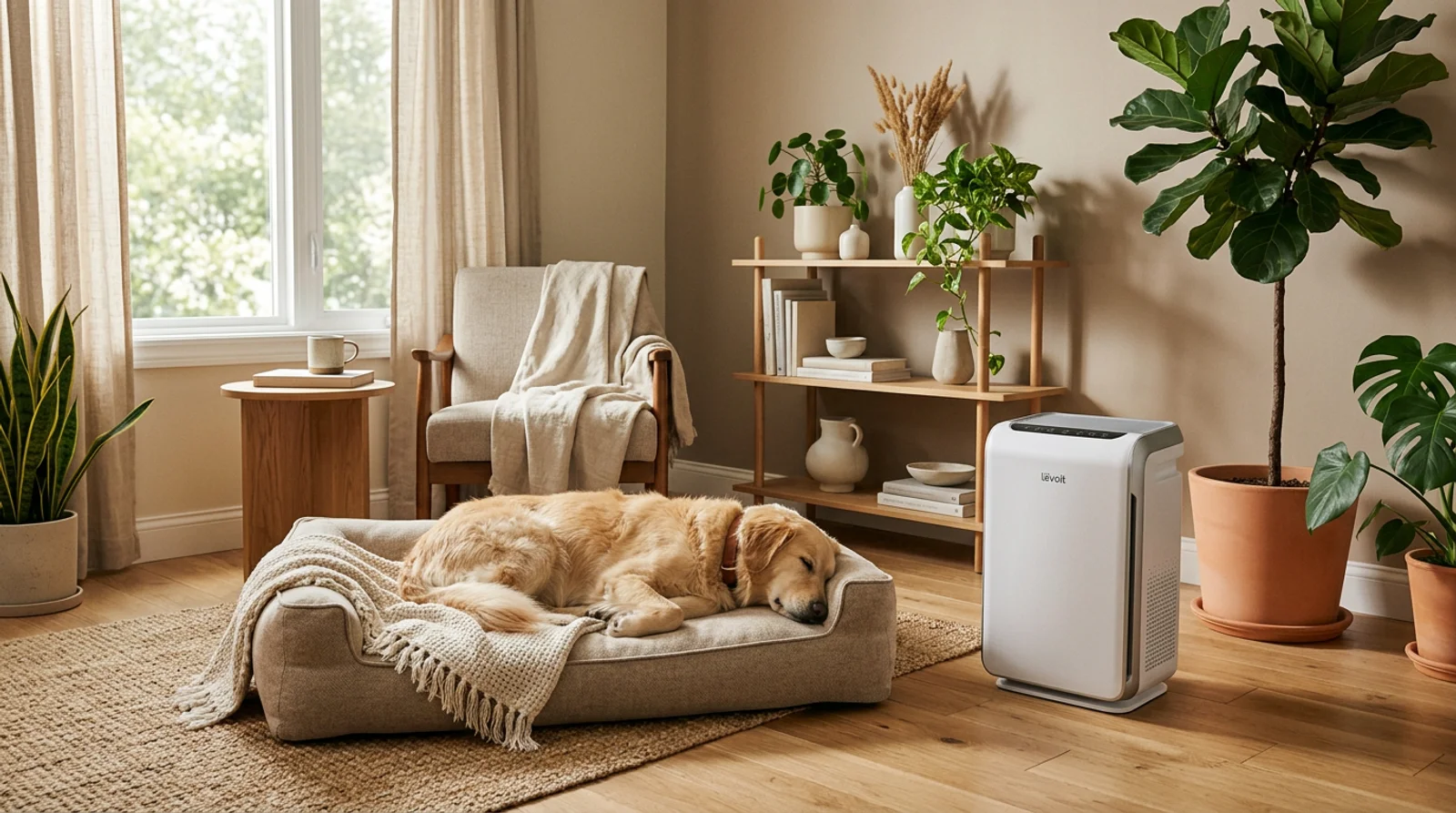
A true HEPA filter captures dander, hair, and dust that carry odour. We run a unit in the main living area and another in the bedroom if a pet sleeps there. Look for models with an activated-carbon pre-filter, which adsorbs volatile organic compounds—that's the science term for the molecules you actually smell.
Replace or clean filters on schedule. A clogged filter does nothing, and some machines will recirculate odour if the carbon is saturated.
Ventilation
Open windows for 10–15 minutes daily, even in winter. Stale air concentrates odour. If your home is tightly sealed (common in newer builds across Canada), a bathroom exhaust fan or range hood running for 20 minutes helps, too.
In humid months—July and August in much of Ontario and Québec—a dehumidifier prevents that damp-dog smell from embedding in textiles. Aim for 40–50% relative humidity.
Eliminate Pet Smell at the Source: Grooming and Health
A healthy, well-groomed pet smells like almost nothing.
Regular Brushing
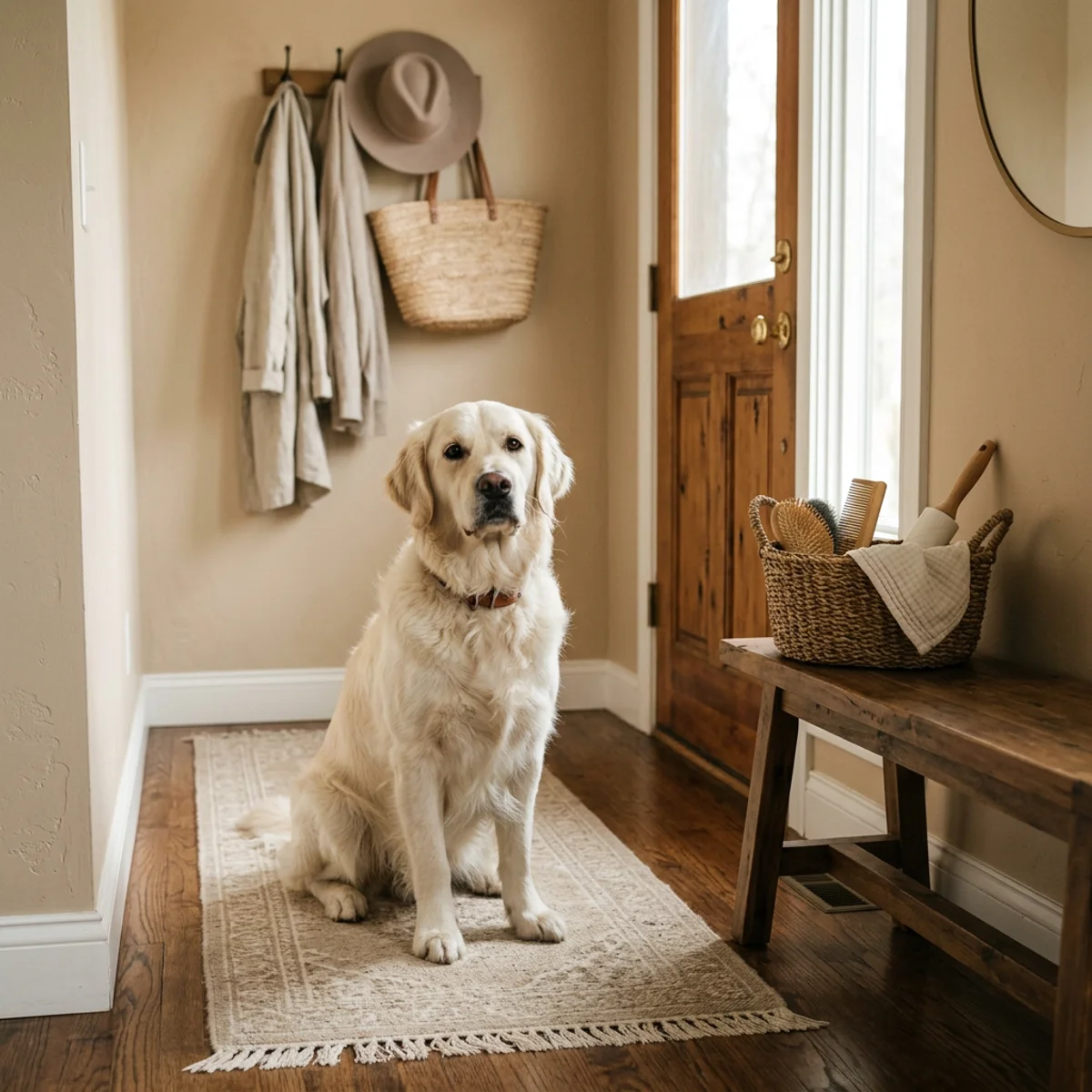
Brush dogs at least three times a week, daily during spring and fall shedding. You're removing loose undercoat, dander, and the oils that go rancid if left to mat. Cats benefit, too, especially long-haired breeds that can't groom every inch themselves. Check out our dog grooming tools guide for what actually works.
Bathing
Most dogs need a bath every four to eight weeks, depending on coat type and activity level. A Poodle in the city might go two months; a Springer Spaniel who swims in lakes every weekend needs monthly baths. Use a mild, veterinarian-recommended shampoo—human shampoo disrupts the pH of their skin and can make odour worse over time.
Cats rarely need baths unless they're elderly, obese, or have gotten into something foul. If you do bathe a cat, our guide on how to bathe a cat will spare you some scars.
Ears, Teeth, and Anal Glands
Infected ears smell yeasty and sour. If your dog's ears are red, waxy, or smell off, see your vet—don't just mask it. Regular ear cleaning (every couple of weeks for floppy-eared breeds) helps prevent issues. Our dog ear-cleaning guide covers technique.
Dental disease smells, too. Brush your dog's teeth a few times a week or offer dental chews daily. Periodontal infection is common and genuinely stinks. More in our dog dental care routine.
Anal glands that aren't expressing naturally can leak a fishy, metallic odour onto bedding and furniture. If you notice your dog scooting or a persistent smell near their rear, ask your vet or groomer to check and express them if needed.
Pet Odour Control: Enzymatic Cleaners and What Actually Works
When accidents happen—and they do, even with house-trained pets—enzyme cleaners are non-negotiable. Soap, vinegar, and baking soda can't break down the uric acid in urine. Enzymatic formulas contain bacteria that digest the odour-causing compounds.
Soak the area thoroughly; enzymes need time and moisture to work. Blot, don't scrub, and let it air-dry completely. For old accidents or unknown spots (you can smell it but can't find it), a blacklight flashlight will show dried urine, which fluoresces under UV.
Baking soda is useful for freshening carpets and upholstery between deep cleans—sprinkle, let sit 15 minutes, vacuum—but it won't eliminate urine or fecal odour on its own.
Avoid ammonia-based cleaners anywhere a pet has urinated. Ammonia smells like urine to them and can encourage re-marking.
Small Upgrades That Freshen Home with Pets
Washable Rugs and Slipcovers
Swap precious wool or silk rugs for machine-washable cotton or synthetic options in high-traffic areas. We love indoor-outdoor rugs for entryways—they're durable, easy to hose down, and dry fast.
Slipcovers on sofas and chairs mean you can strip and wash them monthly. It's less precious and far more practical than a designer sectional you're afraid to let the dog near.
Litter and Food Station Setup
Place litter boxes in well-ventilated areas, never in a closet or basement corner with no air flow. Odour concentrates in dead air. If space allows, a dedicated room with a pet door and an exhaust fan is ideal.
For feeding stations (both dogs and cats), use mats you can wipe or wash daily. Dried kibble dust and water splashes harbour bacteria and smell sour over time. Our feeding stations guide has layout ideas that contain mess.
Strategic Use of Scent
We're not anti-candle, but fragrance should be the final layer, not the foundation. A home that smells like "vanilla cookie artificial scent plus underlying dog" is worse than a home that smells like clean nothing. Light a candle or use a diffuser only after you've cleaned, ventilated, and managed the source.
Products We Recommend (and Why)
We curate for a living, so here's what our team actually uses:
Enzymatic cleaner: Keep a bottle under the sink and a refill in the cupboard. Essential for accidents, not optional.
HEPA air purifier with carbon filter: Worth the investment if you have multiple pets or allergies in the household. Choose a unit rated for your room size.
Lint roller and pet-hair remover: A good silicone or rubber brush for furniture saves your vacuum and gets hair out of fabric fast.
High-quality litter: Cheap clay litter doesn't clump tightly or control ammonia. You'll spend the savings on air freshener. Invest in a premium clumping or crystal formula.
Washable, water-resistant dog bed covers: Non-negotiable for large breeds or seniors with incontinence.
Microfibre mop and spray bottle: Daily spot-mopping takes two minutes and keeps floors from accumulating that foot-traffic grime.
FAQ
Why does my house smell like dog even after I clean?
Odour is likely embedded in soft surfaces—sofa cushions, curtains, carpets, or the dog's bed. Wash or steam-clean fabrics, replace heavily soiled bedding, and run an air purifier. Also check your dog's ears, teeth, and skin; sometimes the smell is medical, not environmental.
How often should I wash my dog to control odour?
Every four to eight weeks for most dogs, more often if they're active outdoors or have oily coats. Over-bathing strips skin oils and can worsen odour and irritation. Between baths, brush frequently and wipe paws and bellies with a damp cloth after walks.
What's the best way to get cat urine smell out of carpet?
Use an enzymatic cleaner formulated for pet urine. Saturate the area completely—don't just spray the surface—and let it air-dry. You may need to repeat. For old or deep stains, a carpet-cleaning machine with enzyme solution works better than DIY spot treatment. If the smell persists, urine may have soaked into the underpad or subfloor, which sometimes requires professional remediation.
Do air purifiers really help with pet odour?
Yes, if they have both HEPA and activated-carbon filters. HEPA traps dander and hair; carbon adsorbs odour molecules. They won't fix a dirty litter box or soiled carpet, but they significantly improve baseline air quality when used alongside regular cleaning.
Keep It Simple, Keep It Consistent
You don't need a complicated system or a dozen products. Scoop daily, wash bedding weekly, vacuum often, and filter your air. Groom your pets and address health issues promptly. When accidents happen, treat them immediately with enzymes, not hope.
A fresh-smelling home with pets isn't about eliminating every trace of animal life—it's about managing the sources of odour so they never build up in the first place. Do the small tasks every day, and the big deep-cleans become rare.
If you're setting up a new space or troubleshooting persistent smells, explore our small-space solutions for pet owners and pet-friendly home decor ideas for layouts and materials that make living with pets easier and better-smelling from the start.